Nguyen Van Thu Building: A 700 Million/Month Cash Flow Investment Opportunity?
In the increasingly dynamic Ho Chi Minh City real estate market, finding an investment channel that provides stable cash flow and sustainable growth potential is always a top priority for experienced investors. One of the assets attracting recent attention is the building located at Nguyen Van Thu Street, Da Kao Ward, District 1. With its prime location and attractive rental potential, this property promises impressive figures. However, to make a sound investment decision, we need to delve deeper into the core factors.
1. Financial Data and Asset Structure
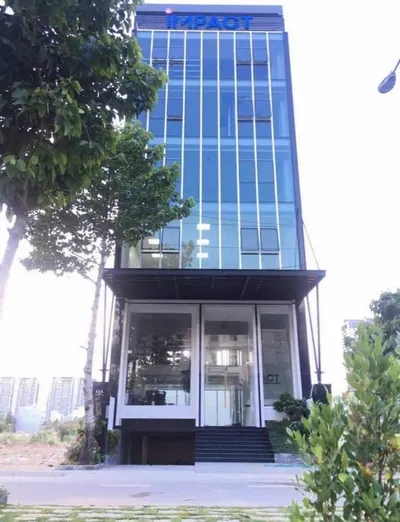
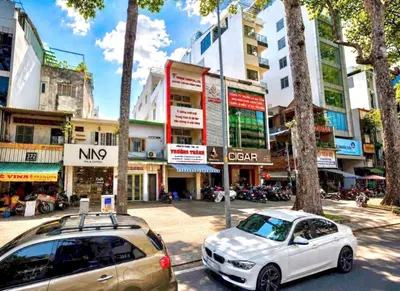
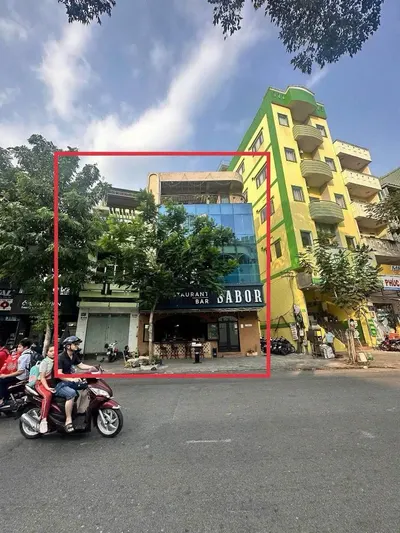
The building is situated on the main street of Nguyen Van Thu, one of the busiest and most commercially valuable streets in District 1. Initial information indicates a land area of 35m x 45m, with a recognized area of up to 812.8m2. The total floor area is 3,325m2, featuring an 8-story structure equipped with a standard fire prevention and fighting system (PCCC). These are basic but crucial specifications that shape the building's scale and exploitation capabilities.
The key factor attracting investor interest is the current lease agreement. The building is leased at 700 million VND/month, with the contract valid for another 7 years. This provides stable and predictable cash flow in the short to medium term. Notably, the contract includes a provision for a 10% rent increase every two years. A preliminary calculation shows the annual rental revenue will be approximately 8.4 billion VND (700 million x 12 months). With 7 years remaining on the contract, the cash flow during this period is substantial.
According to the provided information, the asking price for this building is 500 billion VND. To preliminarily assess the attractiveness of this price, we need to consider the Capitalization Rate (Cap Rate) based on the current rental income. Cap Rate = (Annual Rental Income / Sale Price) x 100%. Thus, the initial Cap Rate would be (8.4 billion / 500 billion) x 100% ≈ 1.68%. This rate seems low compared to the typical expectations of commercial real estate investors in HCMC, which usually range from 5-10% or higher, depending on location, property type, and growth potential. However, it's important to note that this is only an assessment based on current rental income and does not account for other factors such as potential future property appreciation, the possibility of optimizing floor space, or adjusting rental rates after the current contract expires.
2. Analysis of Structure and Exploitation Potential
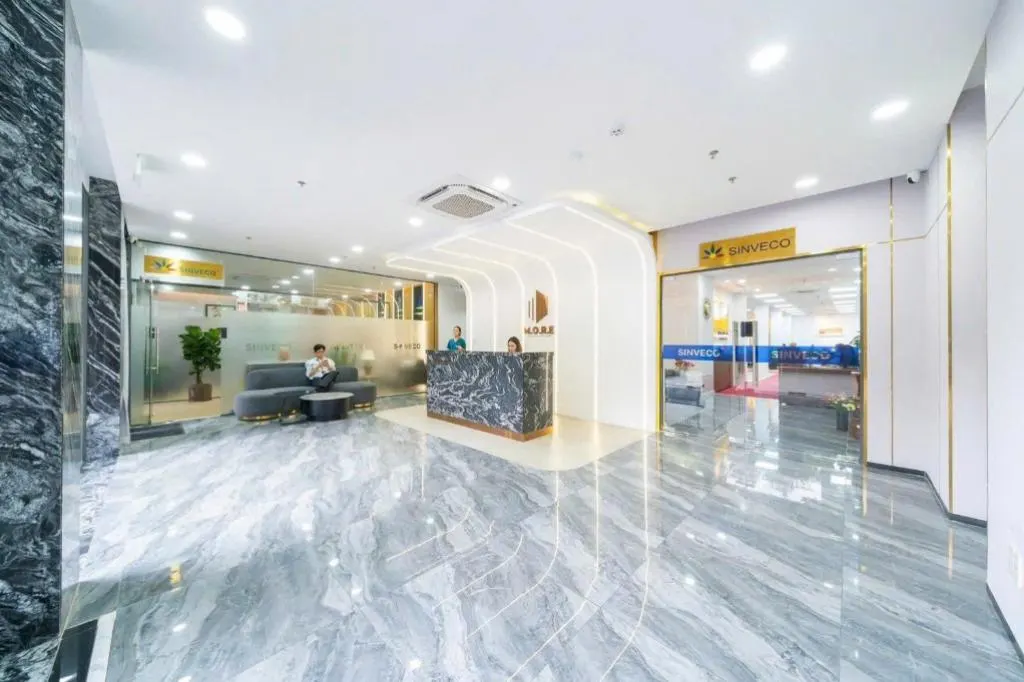
The 8-story structure with a total floor area of 3,325m2 indicates that the building can accommodate various business models. With its location in District 1, it could be an ideal site for office rentals, boutique hotels, luxury serviced apartments, or a combination of these models.
The fact that the current lease contract has 7 years remaining at 700 million/month might be a plus for stability, but it could also be a drawback if the current rent doesn't reflect the market value or the building's maximum exploitation potential. Investors need to thoroughly investigate the current tenant: who they are, what business they operate, and whether they are likely to renew the contract or move out after it expires.
The mechanism of a 10% rent increase every two years is a positive factor, helping to offset inflation and ensure steady cash flow growth. After two years, the rent will be 770 million/month, after four years 847 million/month, and after six years 931.7 million/month. If this growth rate is maintained, the revenue in the final year of the contract will reach approximately 11.18 billion VND. This significantly improves the Cap Rate in the subsequent years of the contract.
However, an experienced investor will ask: Why is the selling price 500 billion VND when the initial Cap Rate is only about 1.68%? This might imply that the true value of this property lies in its future appreciation potential, or the ability to significantly increase rental rates after the current contract ends. Or perhaps, this price already includes the value of its unique location and the development potential of District 1 in the long term.
3. Comparison with Similar Investment Options
To gain a more objective perspective, we need to compare the Nguyen Van Thu building with similar commercial properties in District 1 or other central areas of HCMC. Factors to consider include:
a. Location and Accessibility: The Nguyen Van Thu building is in Da Kao Ward, District 1, an area considered the financial, commercial, and service center of the city. It is surrounded by Grade A office buildings, 5-star hotels, embassies, and consulates, along with public amenities and high-end residential areas. However, it needs to be compared with adjacent streets like Hai Ba Trung, Le Duan, and Nguyen Thi Minh Khai in terms of traffic density, accessibility, and commercial appeal.
b. Rental Cash Flow: We need to find buildings with comparable floor area, similar number of floors, and stable rental operations to compare the monthly rent per square meter. For example, if an 8-story building with 3,000m2 of floor space in a nearby area is rented at 1 million VND/m2/month, the monthly revenue could reach 3 billion VND. This suggests that the 700 million VND/month for the Nguyen Van Thu building may not be the maximum achievable.
c. Capitalization Rate and Appreciation Potential: Office buildings or hotels in District 1 can have Cap Rates ranging from 4-7% or higher, depending on legal status, construction quality, and exploitation potential. If we expect a 5% Cap Rate for a 500 billion VND property, the annual rental income needs to reach 25 billion VND. This indicates that based solely on current cash flow, the 500 billion VND price is quite high. However, if the appreciation potential over the next 5-10 years is highly valued, for instance, expecting property value growth of 10-15%/year, then this price might be reasonable.
d. Structure and Legal Status: An 8-story building with PCCC is a plus for safety and regulatory compliance. However, legal documents related to land use rights, construction permits, and ownership status need verification. A property with clear, transparent legal status will minimize risks and facilitate future transactions.
e. Operating and Maintenance Costs: In addition to rental income, investors need to calculate monthly/annual operating expenses such as maintenance, repairs, management, taxes, staff fees, electricity, water, internet, etc. These costs can account for 10-20% of rental revenue, directly affecting net profit.
4. Forecasts and Risks
Growth Forecasts:
- Rent Increases: With the provision of a 10% rent increase every two years, cash flow from the current contract will grow steadily. When the contract expires, if the market allows, investors can negotiate a significantly higher new rental rate, especially if the area continues to develop and the demand for high-end office/serviced apartment space increases.
- Property Value Appreciation: District 1 is an area with limited land supply and consistently high demand from domestic and international businesses. Infrastructure development and new planning projects in the central area can drive property value growth in the long term. Investing at this time, the potential for asset appreciation could be a primary driver, surpassing initial rental income.
- Functional Optimization: If investors have vision and financial capacity, they can consider renovating and upgrading the building to optimize its utility, thereby enhancing its rental or resale value in the future. For example, converting part of the space into luxury serviced apartments or co-working spaces could yield higher profits.
Risks to Note:
- Current Rent Below Market Rate: This is the biggest risk if investors only focus on current cash flow. Signing a long-term lease at an unoptimized rate could mean missing out on revenue growth opportunities for many years. Thorough market rent assessment for similar property types in the area is necessary.
- Tenant Risks: Although the contract has 7 years remaining, there are always potential risks related to the tenant's financial capacity and business operations. If the tenant faces difficulties, it could lead to delayed payments or requests for contract renegotiation.
- Real Estate Market Fluctuations: Although District 1 is considered a stable market, potential fluctuations due to macroeconomic factors, legal policies, or changes in investment trends cannot be ruled out.
- Renovation and Upgrade Costs: If investors intend to optimize the functionality, they need to prepare capital for renovation and upgrades, which can incur significant costs and time.
- Liquidity: With a price tag of 500 billion VND, finding a subsequent buyer may not be as easy or quick as for smaller value real estate segments.
5. Conclusion and Recommendation
The Nguyen Van Thu building, Da Kao Ward, District 1, priced at 500 billion VND with a rental income of 700 million VND/month (7 years remaining on the contract, with a 10% increase every 2 years), presents an interesting investment puzzle for experienced investors. The initial Cap Rate of ~1.68% indicates this is not purely an investment based on current cash flow.
Recommendation:
Investors should approach this asset with a long-term investment mindset, focusing on property value appreciation potential and the ability to optimize cash flow after the current lease contract expires. A detailed due diligence is required regarding:
- Actual market rental rates for similar property types in District 1.
- The financial status and operations of the current tenant.
- Legal and planning factors related to the land and building.
- Estimated costs for renovation and upgrades if functional changes are planned.
- Development trends in the area and forecasts for property value growth over the next 5-10 years.
If these factors are evaluated positively and can compensate for the low initial Cap Rate, this could be an attractive investment opportunity, providing double returns from growing cash flow and asset value appreciation in the long term.