Investment Analysis: Nguyen Van Troi Corner Building - 400 Million VND Cash Flow & 250 Billion VND Price
In the current dynamic Ho Chi Minh City real estate market, experienced investors consistently prioritize assets capable of generating stable cash flow and sustainable capital appreciation. A 7-story corner building with a basement on Nguyen Van Troi Street, Ward 10, Phu Nhuan District, is being offered for 250 billion VND and currently generates 400 million VND/month in rental income from 4 occupied floors. Is this an attractive investment opportunity, or does it harbor significant risks that require thorough examination?
1. Specific Data and Preliminary Analysis
For an objective assessment, we need to delve into the specific parameters of this asset.
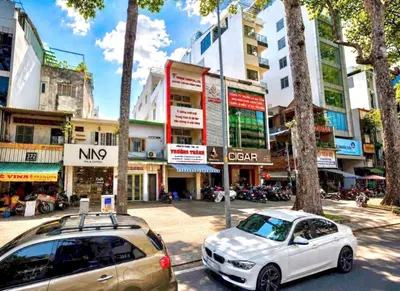
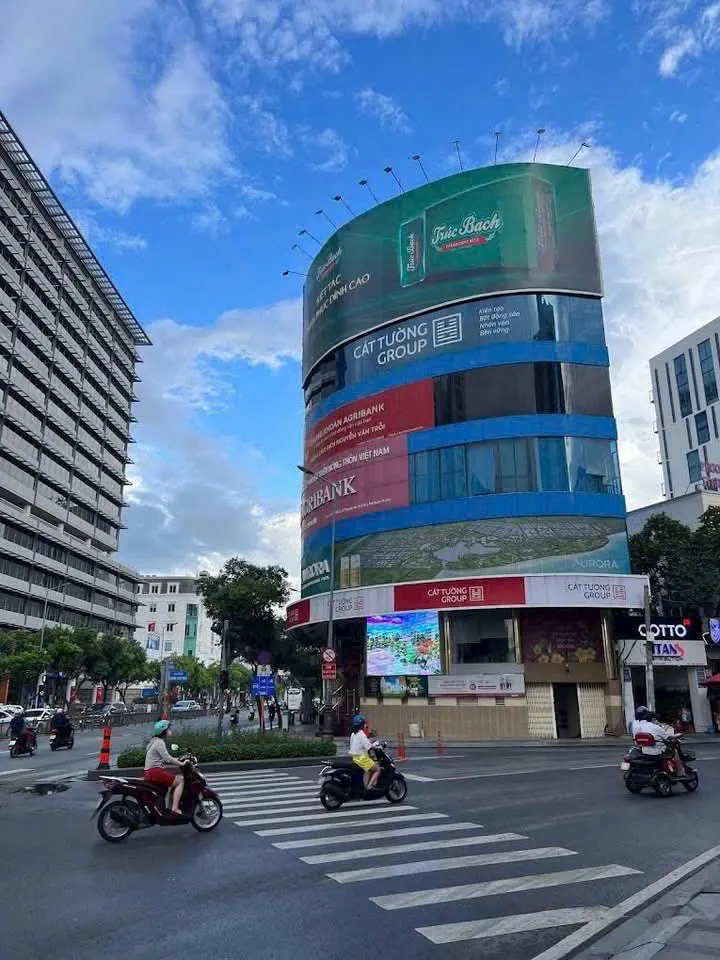
- Strategic Location: Situated on Nguyen Van Troi, Ward 10, Phu Nhuan District, this is a vital arterial road, acting as a gateway connecting Tan Son Nhat Airport to the central Districts 1 and 3. Its corner location with Truong Quoc Dung Street (another address is 207 Nguyen Van Troi) offers superior accessibility and brand visibility for corporate tenants. This area is a hub for representative offices, banks, and high-end restaurants, ensuring consistent demand for rental space.
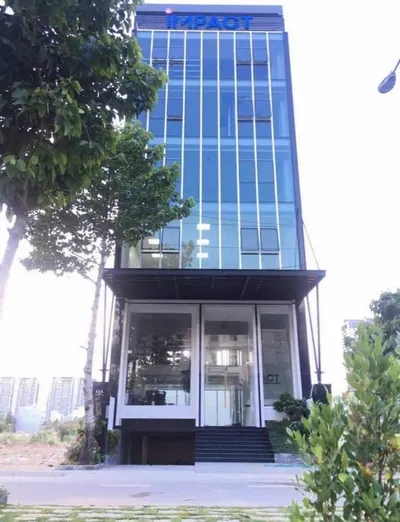
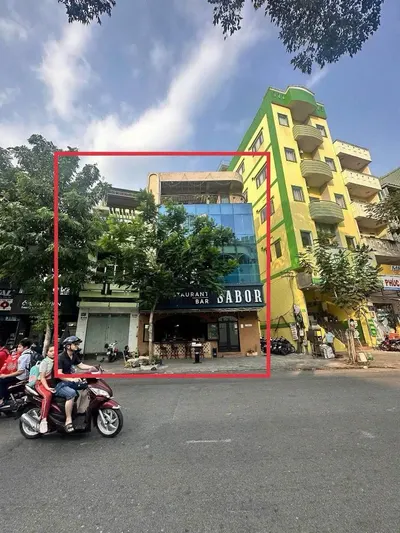
- Scale and Structure: The building has a recognized area of 160m2, with dimensions of 15mm x 15m. Note: The dimension "15mm x 15m" in the original information appears to be a typo; it is highly probable it should be "15m x 15m", which would correspond to a land area of 225m2. However, the recognized area is 160m2, suggesting potential unrecognised land or construction limitations. Investors should thoroughly verify this information with actual measurements and legal documents. With a basement + 7 stories, the total usable floor area could amount to thousands of square meters, suitable for various business models such as office rentals, corporate headquarters, or even a boutique hotel.
- Current Cash Flow: The property currently has rental contracts for 4 floors (ground, 1st, 2nd, 3rd) generating a total of 400 million VND/month. This demonstrates proven exploitation capability and cash flow generation. However, the information "Currently advertising 4 upper floors for rent at 400 million VND/month" and "already rented ground+1+2+3 floors for 400 million VND/month" seems ambiguous. If the 4 upper floors are not yet rented and the 4 lower floors generate 400 million VND/month, then the potential for increased cash flow is substantial. If it simply means 4 floors are rented for 400 million VND/month and the 4 upper floors are being advertised for the same rate, then the total cash flow could reach 800 million VND/month (if fully rented).
- Asking Price: The asking price is 250 billion VND.
- Preliminary Gross Yield Calculation: With a cash flow of 400 million VND/month, equivalent to 4.8 billion VND/year.
- Gross Yield = (4.8 billion VND / 250 billion VND) * 100% = 1.92% per annum.
This gross yield is quite low compared to typical investor expectations for commercial assets in Vietnam, which usually range from 4-7% for stable properties. Even in an optimistic scenario, if the entire building could generate 800 million VND/month (9.6 billion VND/year) – assuming 8 equivalent rental floors – the maximum gross yield would be 3.84% per annum. Both figures suggest that much of the asset's value lies in its location and future capital appreciation potential, rather than immediate cash flow.
- Price per recognized square meter of land: 250 billion VND / 160m2 = 1.5625 billion VND/m2. This is an extremely high price, reflecting the scarcity of prime street-front land in central areas.
2. Comparison with Other Investment Options
To gain a deeper understanding, we need to contextualize this asset within the market and compare it with other investment alternatives.
- Comparison with similar commercial assets in Phu Nhuan/HCMC:
- Regarding Gross Yield: As analyzed, the current gross yield (1.92%) and even the maximum potential yield (3.84%) are lower than the 4-7% average that investors typically expect for office buildings or commercial rental properties in central districts like District 1, 3, Binh Thanh, or even Phu Nhuan. This suggests that investors acquiring this asset are betting more on future capital appreciation than on monthly cash flow.
- Regarding Prime Land Price: The price of 1.5625 billion VND/m2 of recognized land is very high, approaching land prices in some prime areas of District 1 or District 3. However, Nguyen Van Troi, while a major thoroughfare, is still in Phu Nhuan District, not the core financial center like District 1. This indicates that the scarcity of large corner plots in this location is driving prices up.
- Regarding Structure and Exploitation Potential: A 7-story building with a basement is a significant advantage, allowing for optimized usable area. However, the operating, maintenance, and management costs of such a building must be assessed to determine the net yield. Some older buildings may require substantial renovation costs to meet modern standards, impacting profitability.
- Comparison with other investment channels:
- Savings/Bonds: With current savings interest rates around 5-6% per annum, and corporate bonds potentially higher, the rental income yield of 1.92% - 3.84% is not competitive. This reiterates that the primary motivation for purchasing this asset is not cash flow but the expectation of capital appreciation.
- Investment in Development Projects: Instead of acquiring an existing building, an investor might consider purchasing land and developing it themselves. At a land price of 1.5625 billion VND/m2, buying vacant land and constructing a new building on Nguyen Van Troi would require a colossal budget and a long timeline, along with legal and construction risks. Therefore, acquiring a completed building with existing cash flow, however low, still offers stability and reduces development risks.
- Alternative Investment Channels (e.g., stocks, gold): These channels can offer higher returns but come with significantly greater volatility risks compared to real estate. For investors prioritizing stability and tangible assets, real estate remains a top choice, provided the capital appreciation potential is clear.
- Break-even point and payback period analysis:
- With a gross yield of 1.92% (current cash flow), the payback period is approximately 52 years.
- With a maximum gross yield of 3.84% (ideal cash flow), the payback period is approximately 26 years.
Both figures are quite long, indicating that this is a long-term investment requiring patience and confidence in the asset's value growth in this area.
3. Growth Forecast and Potential Risks
Any investment comes with specific forecasts and risks.
- Value Growth Forecast:
- Location: Nguyen Van Troi will continue to be a crucial arterial road in Ho Chi Minh City. Urban planning and the development of surrounding areas (such as metro projects, airport expansion) will continue to drive up land values here. Corner properties with two frontages consistently hold sustainable value and appreciate better than single-frontage assets.
- Rental Demand: Phu Nhuan District, especially the area bordering Districts 1 and 3, consistently experiences high demand for offices, corporate headquarters, and commercial premises. Rental income can increase over time, especially as current contracts expire and can be renegotiated at higher rates. The potential to fill vacant floors is also a driver for increased cash flow.
- Inflation and Asset Hedging: In an inflationary environment, real estate, particularly in central locations, is often considered a safe haven and an excellent store of value.
- Potential Risks:
- Liquidity: At 250 billion VND, this is a high-value asset, attracting a niche buyer pool. Finding a buyer in the future may take longer than for smaller assets, affecting liquidity when divestment is needed.
- Legal and Planning Risks: Thorough verification of the recognized area of 160m2 versus the "15mm x 15m" dimensions is crucial. Furthermore, future regulations on building height, density, and traffic planning could impact the asset's value or exploitation potential.
- Rental Market Risks: Despite high demand, competition from newer, more modern office buildings could put pressure on rental rates or occupancy levels. Dependence on a few large tenants is also a risk.
- Operating and Maintenance Costs: A 7-story building with a basement will incur significant recurring operating, management, and maintenance costs, reducing the net yield.
- Interest Rate Risk: If the investor uses financial leverage, fluctuations in borrowing interest rates will directly impact investment efficiency, especially when the initial gross yield is already low.
4. Investment Conclusion and Recommendation
The Nguyen Van Troi corner building, priced at 250 billion VND, represents a strategic asset suitable for long-term investors who prioritize capital appreciation over immediate cash flow. The current gross yield of under 2% poses a significant challenge if only cash flow is considered. However, the advantage of its 'super prime' location, the scale of the structure, and the potential to fill vacant floors could substantially improve future cash flow.
Recommendation: Investors should conduct detailed legal due diligence, thoroughly check planning regulations, clarify the actual land area, and assess the rental potential of the remaining floors. A detailed business plan is essential to optimize exploitation and carefully evaluate capital appreciation potential based on macro and micro factors. This is an opportunity that warrants serious consideration, but with extreme caution and a long-term perspective.