Bui Vien Street Hotel: Is 8X Billion VND Worth the 150 Million VND Monthly Cash Flow?
Amidst the fluctuating real estate market in Ho Chi Minh City, securing a safe investment channel that generates stable cash flow is always a top priority for experienced investors. This analysis delves into an urgent sale opportunity in the heart of District 1: the Bui Vien Street Hotel. With an asking price of 8X billion VND and a guaranteed rental income of 150 million VND per month, is this an attractive investment, or merely a time-sensitive offer? Let's dissect the numbers and assess the actual potential.
1. Investment Data: The Numbers Speak
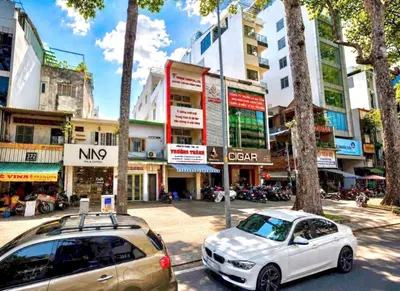
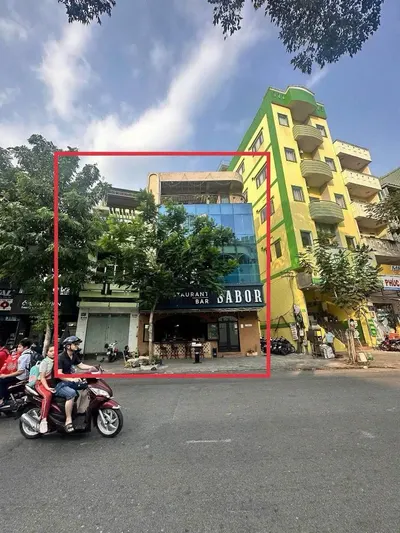
Initial information indicates an exceptionally prime location at the front of Do Quang Dau Street, Pham Ngu Lao Ward, District 1. Its proximity to Bui Vien Walking Street, Ben Thanh Market, the Metro Station, and Nguyen Hue Walking Street undeniably enhances its tourism and commercial exploitation potential. The land plot measures 7.4m x 18m, with a total recognized area (DTCN) of 120m2 – a decent footprint in the central core.
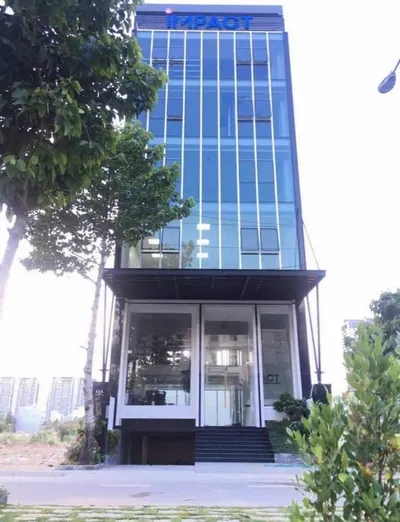
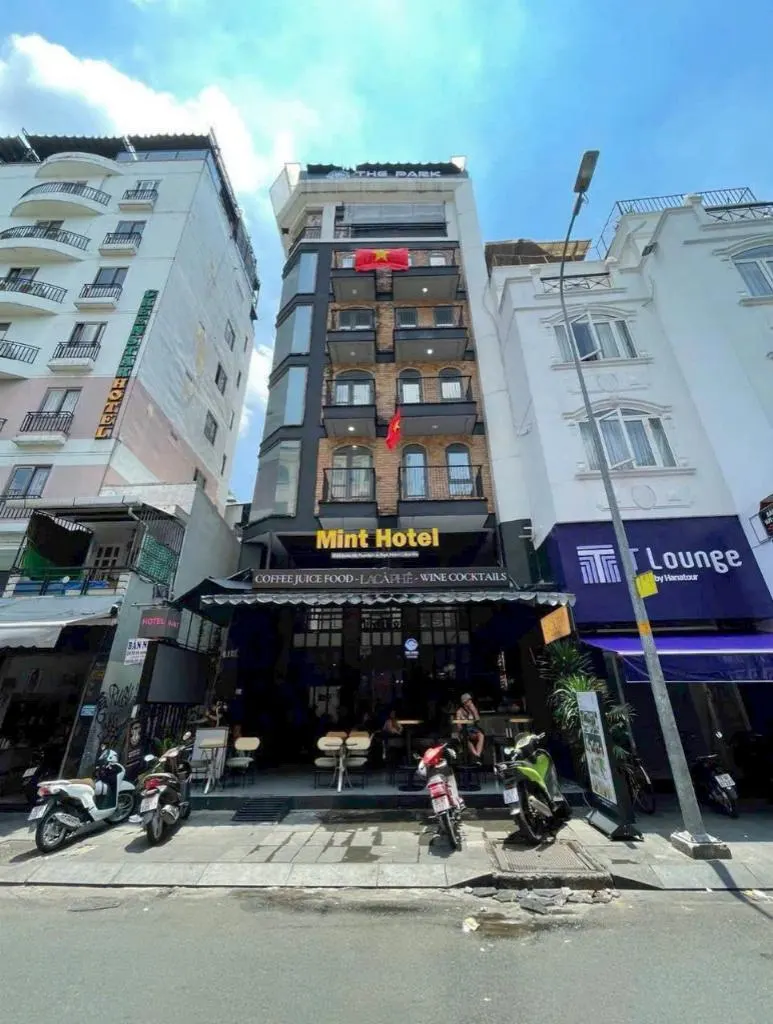
The building structure comprises a Ground floor - Mezzanine - 2 upper floors - Rooftop, housing a total of 29 hotel rooms. This is a considerable scale, allowing for optimized room occupancy and revenue. The key attraction for investors is the current lease agreement: 150 million VND per month, extending for 3 years. This provides short-term cash flow security, a critical factor for any investor.
However, for a comprehensive evaluation, we must analyze the following aspects in depth:
- Actual potential revenue: Does the 150 million VND monthly rent truly reflect the market value and exploitation potential of 29 hotel rooms in this location? A comparison with similar hotels in the same segment and area is necessary for an objective view.
- Operating costs: Is the 150 million VND monthly rent a gross revenue, or has it already factored in operating expenses, maintenance, staffing, taxes, etc.? If it's gross revenue, the actual profit margin will be significantly lower.
- Legal and structural status: Although not detailed, for an operational hotel, thorough inspection of business licenses, construction permits, structural integrity, and fire safety systems is crucial.
- Room quality and quantity: What are the specifications, amenities, and standards of the 29 hotel rooms? Are they suitable for current domestic and international tourist demands, or are they outdated and require costly renovations?
With an asking price of 8X billion VND, this is a substantial investment. We need to carefully consider the capitalization rate (cap rate) and the return on investment (ROI).
2. Comparison with Similar Investment Options
To clarify further, let's position the Bui Vien Street Hotel against other real estate investment types in Ho Chi Minh City, particularly those generating cash flow.
a. Hotels in Central Districts (Similar):
- Pros: Central District 1 locations offer advantages in tourist volume and business travelers. High room rental potential, especially during peak seasons. Long-term leases (if applicable) provide stability.
- Cons: Very high initial purchase prices. Continuous operating, maintenance, and upgrade costs to retain customers. Risks depend on tourism trends, international events, and macroeconomic conditions. Intense competition from major hotel chains and short-term rental platforms like Airbnb.
b. Office Buildings for Lease in Districts 1/3/5:
- Pros: Stable cash flow from businesses. Leases are often long-term (2-5 years). Less volatile than the tourism sector. Can cater to various office types (Grade A, B, C, co-working spaces).
- Cons: Purchase prices are also very high. Requires professional construction quality, amenities, and operational management. Risk of tenants relocating or downsizing. Profit margins might not be as high as hotels if operated optimally.
c. Shophouses/Retail Spaces in Prime Areas:
- Pros: Good potential for capital appreciation if located in prime areas. Cash flow comes from leasing retail space. Less operational risk than hotels.
- Cons: Revenue fluctuation depends on the tenant's business. Purchase prices can be very high. Risk of tenants failing in their business.
d. Serviced Apartments/Long-Term Rentals:
- Pros: More accessible initial capital. Demand for apartment rentals is constant. Easier to manage than hotels.
- Cons: Profit margins are generally lower than hotels or office buildings. Requires managing multiple individual tenants. Legal risks (e.g., illegal short-term rentals).
Returning to the Bui Vien Street Hotel, with an asking price of 8X billion VND and a cash flow of 150 million VND/month, we can estimate the capitalization rate preliminarily:
- Assuming a sale price of 85 billion VND: Cap Rate = (150 million VND/month * 12 months) / 85,000,000,000 VND = 1800 million / 85,000 million ≈ 2.1%.
- Assuming a sale price of 89 billion VND: Cap Rate = 1800 million / 89,000 million ≈ 2.0%.
The figures of 2.0% - 2.1% are extremely low compared to the average for income-generating real estate in HCMC, even for prime locations. Typically, investors expect a minimum cap rate of 4-6% for commercial properties, depending on risk level and capital appreciation potential.
This raises the question: Is the 8X billion VND asking price inflated beyond the actual cash flow value the property generates? Or are there other hidden factors not disclosed by the seller?
3. Forecasts & Risks: Looking Ahead
a. Capital Appreciation Potential:
- A location in District 1, right in the bustling Tây area, always offers long-term capital appreciation potential. Developments in transportation infrastructure, tourism, and surrounding high-end real estate projects can boost the value of properties in this area.
- If the new owner can renovate and upgrade the hotel to higher standards, attract a more premium clientele, or optimize room occupancy, revenue could increase significantly, thereby enhancing the property's value.
b. Risks to Consider:
- Cash flow risk: The 150 million VND monthly rent might have been a good rate at the time of signing, but is it sustainable for the next 3 years? Factors like pandemics, economic downturns, or shifts in tourism trends could impact the tenant's business, leading to an inability to maintain this rent or demands for reduction.
- Legal risks: Thorough due diligence on the building's legal status is essential, including construction permits, land use certificates, property ownership documents, and business operating licenses. Hotel operations can carry risks related to security, safety, and fire prevention if regulations are not complied with.
- Repair and upgrade cost risks: An operational hotel building might have deteriorated elements. The cost of repairs and upgrades to meet new standards or create differentiation could be substantial and impact profitability.
- Market risks: The tourism and hotel service industry is cyclical and sensitive to socio-economic factors. Over-reliance on a single business type can pose high risks.
- Valuation risks: As analyzed above, the current cap rate is very low. This suggests the asking price might be higher than its actual value based on cash flow. Investors expecting returns solely from current rental income might struggle to meet their profit targets.
c. Analysis with Alternative Assumptions:
If we assume the 8X billion VND price is reasonable and the seller is in urgent need of capital, the following might be the case:
- The current tenant might be facing financial difficulties and wishes to reduce their burden.
- The owner may require immediate capital for another project or personal reasons.
- The property might require significant investment for repairs/upgrades that the owner is unwilling or unable to undertake.
In such scenarios, investors could consider negotiating a lower purchase price or carefully calculating renovation costs to arrive at a more reasonable price, ensuring the desired rate of return.
4. Conclusion & Recommendation
The Bui Vien Street Hotel, with its prime District 1 location and a committed rental income of 150 million VND/month, clearly has initial appeal. However, at an asking price of 8X billion VND, the current capitalization rate (approximately 2.0% - 2.1%) is too low to be considered an effective income-generating investment. The property's true value, based on cash flow, appears to be overvalued.
Recommendation:
- For the Seller: Reconsider the asking price to better reflect the property's cash flow value and actual potential, or clearly articulate other factors (such as significant capital appreciation potential or low renovation costs) to convince investors.
- For Investors: If genuinely interested, view this as an opportunity to acquire a 'golden' location property in central HCMC with long-term capital appreciation potential, rather than an effective income-generating investment at this time. Negotiate a substantially lower purchase price to achieve a reasonable cap rate (at least 4-5%), or prepare a reserve fund for renovations and upgrades to optimize future revenue. Conduct thorough due diligence on all legal, structural, and financial aspects before making a final decision.
In summary, this transaction requires a cautious approach and meticulous analysis, not just reliance on initial figures.