Analysis of Cat Lai International General Hospital Project: Investment Opportunity or Potential Risk?
The medical real estate market, especially large-scale projects, consistently attracts investor attention due to stable growth potential and increasing societal demand. Recently, news of the transfer of ownership for the Eye Hospital 27A Ky Dong has sparked lively discussions. However, our focus today will shift to another potential transaction: the Cat Lai International General Hospital Project (Phap Thien Hospital). With an impressive area of 21,642m2, designated medical land, and a leasehold extending to 2064, coupled with an approved development plan and 1/500 zoning, this project is being offered for 100% share transfer. So, behind these attractive figures, what are the crucial factors investors need to carefully consider to make a wise decision?
1. Core Data of Cat Lai International General Hospital Project
To evaluate an investment opportunity, the first step is to grasp the fundamental and quantifiable information. The Cat Lai International General Hospital Project possesses the following notable specifications:
- Land Type: Medical Land. This is a significant factor, indicating clearly defined usage purpose, reducing legal and rezoning risks. Medical land often benefits from certain planning incentives and may have specific construction and operational regulations.
- Area: 21,642m2. This is a very large area, allowing for the construction of a large-scale general hospital, potentially encompassing multiple specialties, inpatient and outpatient facilities, laboratories, diagnostic imaging, and other support amenities. Large scale implies the capacity to serve a vast number of patients and high revenue potential.
- Land Lease Term: Until 2064. With nearly 40 years remaining, the project has a sufficiently long operational lifespan to recoup investment costs and generate sustainable profits. This also alleviates short to medium-term pressure regarding land use renewal.
- Legal Status: Approved Development Plan and 1/500 Zoning. These are the most critical legal aspects for real estate projects, especially those of large scale and specific purposes like hospitals.
- Investment Policy Approval: Indicates the project has received initial approval from state management agencies, confirming its feasibility and alignment with local socio-economic development orientations.
- 1/500 Zoning: This is the detailed planning map, clearly showing road boundaries, construction lines, land use ratios, building density, floor area ratio, etc., enabling detailed construction implementation. Having 1/500 zoning helps investors visualize the project's structure, scale, and technical requirements, and serves as a basis for obtaining construction permits.
Transfer Information: 100% Shares. This means the new investor will take over the entire project, including legal aspects, assets, related contracts (if any), and operational control. The sale of 100% shares is often simpler than a direct asset sale of the project, but requires thorough due diligence on the financial status and operations of the owning company.
Price: According to contact information, the price will be provided upon transaction. This is the crucial point every investor wants to know to calculate the ROI.
2. Analysis of Potential and Risks from an Investor's Perspective
As an experienced investor, I don't just look at the positive numbers but must also comprehensively assess factors that could affect investment returns.
2.1. Growth Potential
- Healthcare Demand: Vietnam is experiencing a demographic dividend, combined with rising incomes and increasing health awareness. The demand for high-quality healthcare services, especially international healthcare, is immense and expected to continue growing strongly. Cat Lai, with its strategic location and new urban development potential, could become a significant healthcare hub.
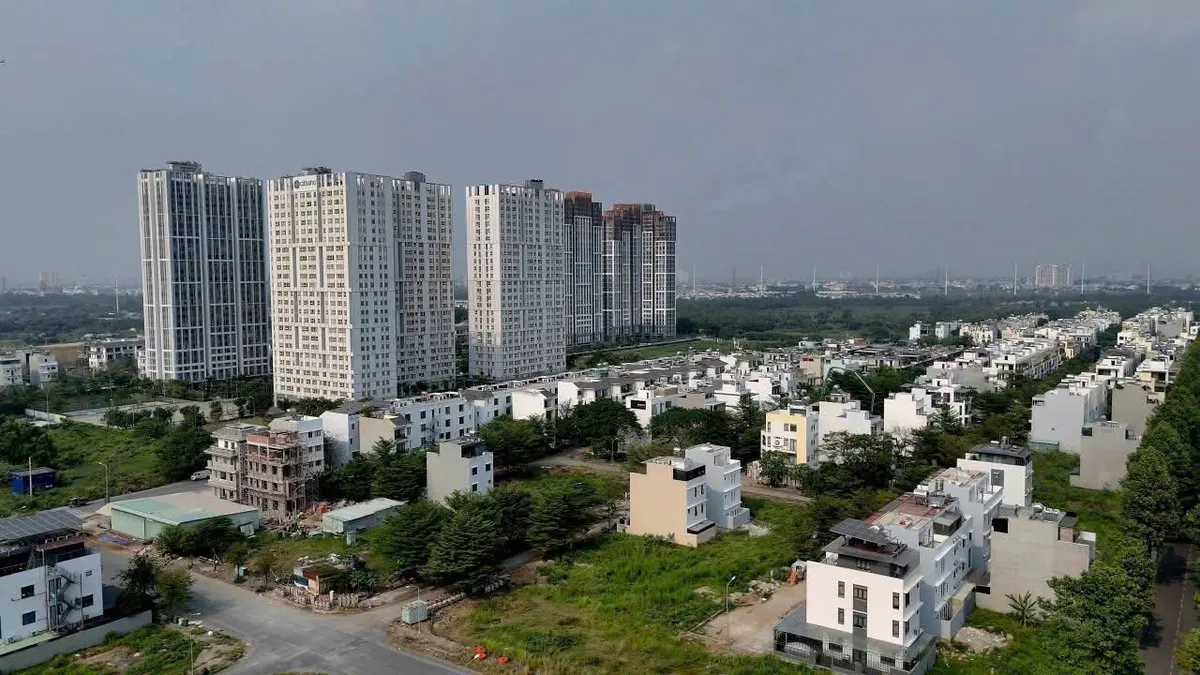
- Strategic Location: The Cat Lai area, part of District 2 (now Thu Duc City), is planned as an eastern gateway urban area, with convenient connectivity to the city center and surrounding provinces through arterial roads and heavily invested infrastructure (e.g., Cat Lai Bridge, HCMC-Long Thanh-Dau Giay Expressway). A large hospital here could serve a substantial population and neighboring areas.
- Medical Land and 1/500 Zoning: As analyzed, these are solid legal foundations, reducing legal risks and facilitating construction and operation. Having the 1/500 zoning ready helps shorten construction permit application time and costs.
- Project Scale: The 21,642m2 area allows for the construction of a modern, diverse medical complex capable of competing with other major international hospitals in the region. Large scale also creates economies of scale in operations.
2.2. Risks to Note
- Initial Capital Investment: Purchasing 100% shares of such a large-scale hospital project undoubtedly requires substantial capital, not only for share acquisition but also for completing construction, equipping facilities, recruiting staff, and operations. Investors need strong financial capacity and a clear capital mobilization plan.
- Operational and Management Risks: The healthcare industry is unique, demanding high expertise in medical management, quality assurance, strict legal compliance, and medical risk management. Operating an international hospital requires a professional and reputable management team.
- Competition: Despite high demand, the high-quality healthcare market in Ho Chi Minh City is increasingly competitive with the presence of many reputable international and domestic hospitals. New projects need a clear competitive strategy regarding service quality, cost, specialized expertise, and customer experience.
- Return on Investment Period: Healthcare projects often have extended construction and brand development periods, leading to longer ROI timelines compared to other real estate types. Investors need a long-term vision.
- Pricing Risks: The 100% share transfer price is a major unknown. If the price is too high relative to the actual potential and projected completion costs, the project may become financially unattractive. Independent and professional valuation is necessary.
3. Comparison with Other Investment Channels
When considering a significant investment like this hospital project, comparing it with other investment options is essential for optimizing returns and managing risks.
- Residential Real Estate (Apartments, Houses): These channels typically have higher liquidity, faster capital turnover, and are more accessible to individual investors. However, rental yields or appreciation potential may not be as stable as a well-planned medical project with high actual demand, especially in the long term.
- Commercial Real Estate (Offices, Shopping Malls): This channel can provide stable rental income if there are reputable and long-term tenants. However, finding suitable tenants for a large hospital is a different challenge, requiring expertise and networks.
- Stocks/Finance: These channels can offer high short-term returns but also carry significant market volatility and risks. Investing in shares of a medical project can provide more stable and long-term returns if the project succeeds, but is less liquid.
Compared to traditional investment channels, the Cat Lai hospital project is highly specialized. Returns can be very attractive if the project is operated effectively, but the barriers to entry and the capital and expertise requirements are substantial. This is not an investment channel for everyone but is aimed at large investment funds, healthcare corporations, or investors with deep experience in the medical and large-scale real estate sectors.
4. Forecast and Recommendation
Forecast:
- If the project is reasonably priced and has a clear operational and brand development plan, Cat Lai International General Hospital has the potential to become a leading healthcare facility in the eastern part of HCMC, providing stable cash flow and attractive long-term returns for investors.
- The project's success will largely depend on the management team's capabilities, the quality of services provided, marketing strategies, and the ability to attract patients.
- The medical real estate market is forecast to continue growing, especially for projects with scale and transparent legal frameworks.
Risks to Note:
- High transfer prices may reduce investment returns.
- Difficulties in finding high-quality management and medical personnel.
- Healthcare industry regulations may change, affecting operations.
Recommendation:
For investors interested in the Cat Lai International General Hospital Project, I recommend the following steps:
- Detailed Legal Due Diligence: Request all legal documentation, including land use rights certificates, investment policy approval decisions, 1/500 zoning maps, and other relevant permits. Thoroughly check the legal status of the owning company.
- In-depth Financial Due Diligence: Request the company's financial statements, executed contracts, and estimates for completion and operational costs. Conduct an independent project valuation using appropriate methods (discounted cash flow, comparable transactions, etc.).
- Operational Capability Assessment: If possible, research the entity or team intended to operate the hospital. Their experience and reputation are key factors for success.
- Market and Competition Analysis: Thoroughly research healthcare demand in the Cat Lai area and surrounding regions, identify target customer segments, and evaluate existing competitors.
- Develop a Detailed Business Plan: Based on the collected information, develop a projected business plan for the hospital, including revenue, cost, profit forecasts, and payback period.
Conclusion: The Cat Lai International General Hospital Project holds significant potential due to its scale, location, and solid legal standing. However, it requires substantial capital, a long-term vision, and deep expertise in both real estate and healthcare. The investment decision must be based on thorough due diligence and a clear strategy to maximize returns and minimize risks.