Medical Real Estate Market: Fluctuations and New Opportunities
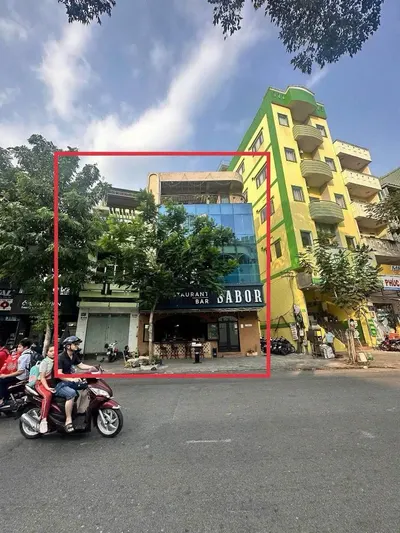
The real estate market is always dynamic, especially niche segments like medical real estate. Recently, the news of the Eye Hospital at 27A Ky Dong changing hands has garnered attention. This raises the question: Is this a sign of a new trend, or just an isolated transaction? For experienced investors, grasping this information is crucial for assessing the profit potential and risks of similar projects.
Analyzing Investment Opportunities: Cat Lai International General Hospital Project
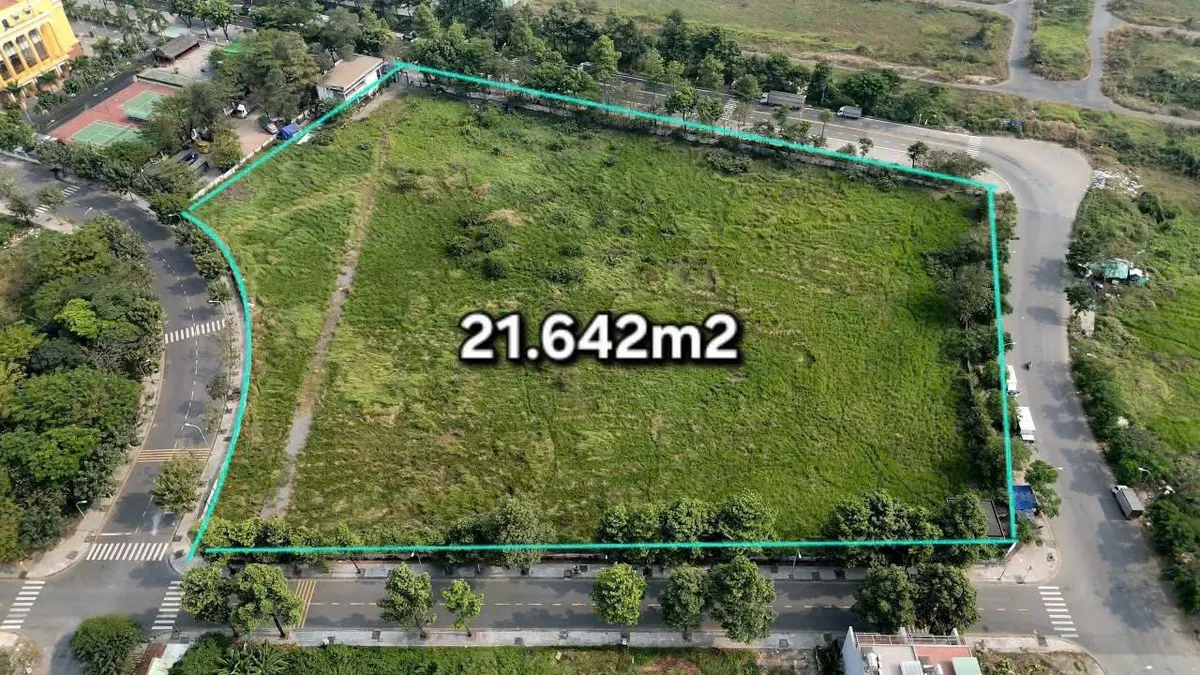
In the context of the 27A Ky Dong Eye Hospital being transferred, the Cat Lai International General Hospital project (also known as Phap Thien Hospital) emerges as a potential option. With an area of up to 21,642m2, this is a large-scale project located in an area with developing medical potential. Let's delve into the factors that constitute the investment value of this project and see if it deserves investor attention.
1. Core Information of Cat Lai International General Hospital Project
Land Area and Type: The project occupies a large land area of 21,642m2, zoned for medical purposes. This is a significant factor, as medical land often has distinct regulations and development potential compared to other land types. A large area allows for the construction of a modern, multi-functional medical facility to meet growing public demand.
Land Lease Term: The land lease term extending to 2064 is a considerable advantage. This ensures long-term stability and operational viability for investors, reducing risks related to lease renewal or land acquisition in the near future. The remaining 40 years is sufficient for initial investment phases, operation, and capital recovery.
Legal Status and Planning: The project has obtained an Investment Policy and a Decision approving the Detailed Construction Planning at a 1:500 scale. These are foundational legal documents, confirming the project has passed assessments by competent state authorities. The 1:500 planning helps investors visualize the structure, construction density, and accompanying facilities, allowing for more accurate investment efficiency calculations. Legal transparency minimizes risks of disputes or planning adjustments during development.
Transfer Method: Information indicates the project is being offered for '100% share transfer'. This means investors will acquire full ownership and control of the existing project, rather than just a portion or asset purchase. A 100% share transfer typically involves taking over all legal, financial, and operational responsibilities of the project. For investors seeking complete control, this is an ideal structure.
2. Comparison: 27A Ky Dong Eye Hospital Transaction and Cat Lai Potential
The transaction of the 27A Ky Dong Eye Hospital has been confirmed as 'Sold'. Although specific details on the transaction value and parties involved are not disclosed, the transfer of a centrally located private medical facility indicates vibrancy and demand for this type of real estate. However, a thorough analysis is needed to understand if there are any similarities between the two cases.
Location: The 27A Ky Dong Eye Hospital is located in a central area with easy accessibility. In contrast, Cat Lai International Hospital is larger and situated in an area with development potential, but may not yet have the same population density and medical infrastructure as the central district. Differences in location will directly impact patient attraction and operational efficiency.
Scale and Type: The Eye Hospital specializes in ophthalmology, while Cat Lai International Hospital is larger, serving multiple specialties. A larger scale requires higher initial investment and operating costs but also offers the potential for greater revenue and profit if managed effectively.
Timing of Transaction: The sale of the 27A Ky Dong Eye Hospital might be due to the current owner's needs (restructuring, changing investment direction, or simply cashing out) rather than the project being underperforming. Conversely, the Cat Lai project is in its development phase and might be offered for sale to find strategic investors or capital for the next stage.
3. Financial Analysis and Potential Risks
Cash Flow and ROI: To evaluate Cat Lai International Hospital, investors need to build a detailed financial model. This includes forecasting revenue based on the number of beds, occupancy rates, medical service prices, and operating costs (personnel, supplies, equipment, marketing...). Return on Investment (ROI) should be calculated based on the total initial investment and projected annual cash flow. For a large-scale medical project, ROI can be high, but the payback period will also be longer.
Market Risks: Competition in the private healthcare sector is intensifying. Newly established hospitals or expanding existing ones can affect Cat Lai Hospital's market share. Furthermore, healthcare regulations may change, impacting operations and costs.
Operational Risks: Managing a general hospital requires a high-quality workforce, from doctors and nurses to management. Recruiting and retaining talent is a challenge. Additionally, investing in modern, advanced medical equipment is a significant expense and requires regular updates.
Legal and Construction Risks: Despite having an investment policy and 1:500 planning, procedures for construction permits, inspections, and operations may encounter unforeseen delays. Construction progress could be hampered by objective factors, leading to increased costs and affecting business plans.
4. Forecast and Recommendations
The transaction of the 27A Ky Dong Eye Hospital indicates continued activity in the medical real estate market. However, investing in Cat Lai International General Hospital requires careful consideration.
Forecast: If the project is implemented well, with professional management and effective marketing strategies, Cat Lai Hospital has the potential to become a reputable medical center in the area. However, it's important to note that attracting patients and building brand recognition takes time and significant resources. The growing emphasis on healthcare will be a driver for the development of the private medical sector.
Risks: Key risks lie in competitive pressure, high operating costs, and dependence on the quality of the medical team. If the Cat Lai market cannot absorb the hospital's large scale, or if strong competitors emerge, investment returns could be affected.
Conclusion and Recommendation: For experienced investors, Cat Lai International General Hospital is a worthy investment opportunity, but it demands thorough due diligence regarding finance, legalities, and market potential. We recommend investors take the following steps:
- In-depth Due Diligence: Request all legal, financial documentation, and detailed business plans for the project.
- Independent Market Analysis: Assess the actual medical demand in the Cat Lai area and surrounding regions, as well as analyze competitors.
- Financial Modeling: Develop cash flow scenarios (best, average, worst) and calculate ROI, IRR, and payback period indicators.
- Negotiate Terms: If deciding to invest, clearly negotiate transfer terms, responsibilities, and commitments from the seller.
Acquiring 100% of the shares in a large-scale medical project like Cat Lai Hospital is a strategic investment decision, requiring meticulous preparation and a long-term vision. The transfer of the 27A Ky Dong Eye Hospital is just one signal; the real opportunity lies in the investor's ability to analyze and act based on specific data.
Contact Information: Tuong Villa 0934 161816