Tran Nao Villa, District 2: Is it Worth the Investment?
The real estate market in District 2 is witnessing fierce competition among projects. At a price of 37 billion VND, is the Tran Nao villa truly a worthwhile investment? This article will analyze in detail the factors affecting ROI (Return on Investment) and potential risks, helping investors make informed decisions.
Detailed Information about the Property
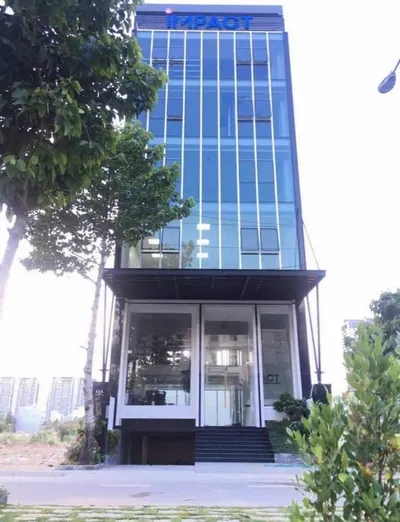
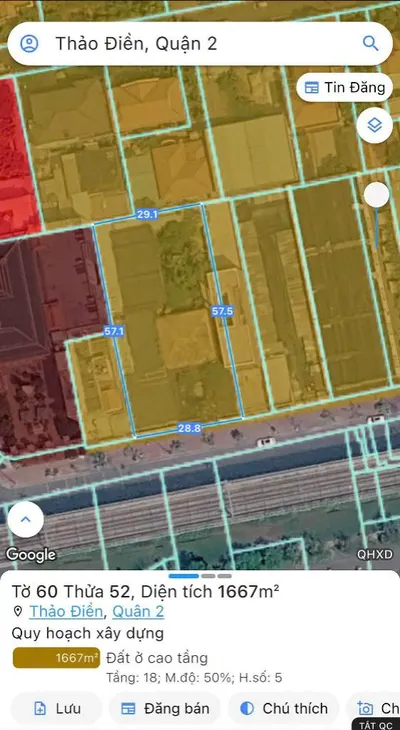
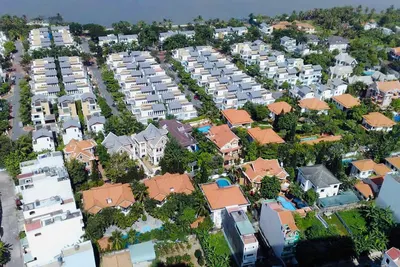
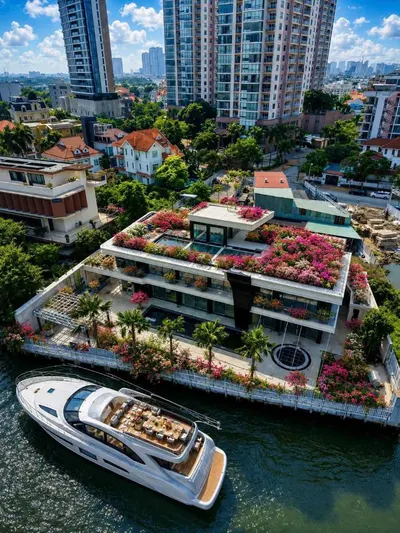
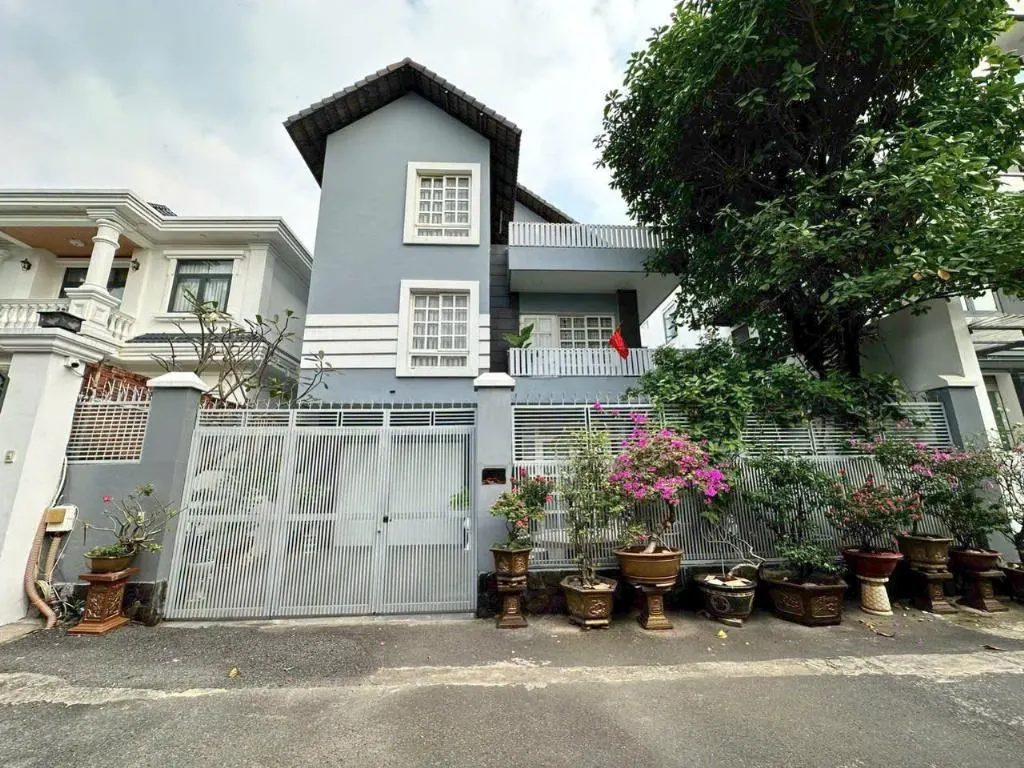
This villa boasts an area of 213m² (12 x 18m), a ground floor plus two stories, and faces Northwest. Its location in the Tran Nao area of District 2 is considered central, with convenient access to surrounding areas. The current selling price is 37 billion VND (negotiable). This is a relatively high price compared to the general level in the area, so evaluating the potential for profit is crucial.
Potential Cash Flow Analysis
To assess the potential for profit, we need to consider the possible ways to exploit this property. First, if rented out, comparable villa rental prices in the area are currently ranging from 40 to 60 million VND per month. With this price, the gross yield will be around 1.3% - 1.6% per month (equivalent to 15.6% - 19.2% per year). However, it should be noted that this yield does not include operating costs, maintenance, taxes, and other expenses. Second, if used as an office, the rental price may be higher, but it also requires higher renovation and operating costs. Third, if purchased to hold the asset, the potential for appreciation depends on the development of the area and the overall real estate market situation. In the past 5 years, real estate prices in District 2 have grown by an average of 8-10% per year. However, this growth rate may slow down in the future due to macroeconomic factors and increasing competition.
Comparison with Other Investment Options
To make the optimal investment decision, we need to compare the Tran Nao villa with other options. For example, investing in government bonds currently yields around 6-7% per year. Investing in stocks may offer higher potential returns, but also comes with greater risk. Another option is to invest in other real estate projects in neighboring areas. For example, luxury apartments in the Phu My Hung urban area have comparable rental yields, but lower purchase prices. However, it should be noted that each investment option has its own advantages and disadvantages. The choice depends on each investor's risk appetite, investment goals, and financial capacity.
Forecast & Risks
In the short term (1-2 years), the real estate market may continue to be affected by macroeconomic factors such as interest rates, inflation, and credit policies. If interest rates rise, borrowing costs will increase, reducing demand for home purchases and affecting real estate prices. If inflation rises, construction and material costs will increase, reducing the profits of investors. In the long term (3-5 years), the growth potential of the Tran Nao area depends on the development of transportation infrastructure and public utilities. If infrastructure projects are implemented on schedule, real estate prices may increase. However, if these projects are delayed, real estate prices may not increase or even decrease. Other risks include legal risks (issues related to ownership, documents), liquidity risks (difficulty reselling the property when needed), and market risks (a downturn in the real estate market).
Conclusion & Recommendation
The Tran Nao villa, District 2 is a potential investment, but comes with certain risks. At a price of 37 billion VND, investors need to carefully consider the factors affecting ROI and potential risks before making a decision. If the goal is stable cash flow, renting is a suitable option. If the goal is capital growth, buying to hold the asset may yield higher returns, but also requires a longer investment period. However, it should be noted that the real estate market is always volatile. Investors should diversify their investment portfolio and consult with experts before making a final decision.