Office Building Investment: Stable Cash Flow or Sustainable Growth?
In the context of a volatile real estate market, finding a safe and effective investment channel is the top priority for investors. Office buildings, especially in the central areas of Ho Chi Minh City, are emerging as an attractive option. However, among the different opportunities, which is the optimal choice? This article will analyze in detail 3 office buildings in District 1 and District 3, comparing cash flow, ROI, risks, and growth potential, from the perspective of an experienced investor.
Overview of the 3 Buildings
We will consider 3 buildings:
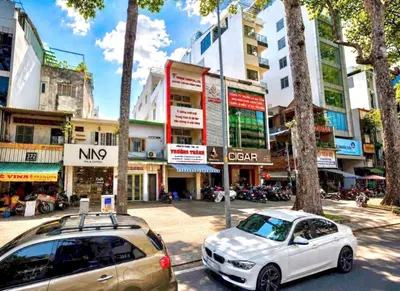
- Dien Bien Phu Building, District 3: Area of 166.3m2, 9 floors, rental income of ~6 billion VND/year, selling price of 169 billion VND.
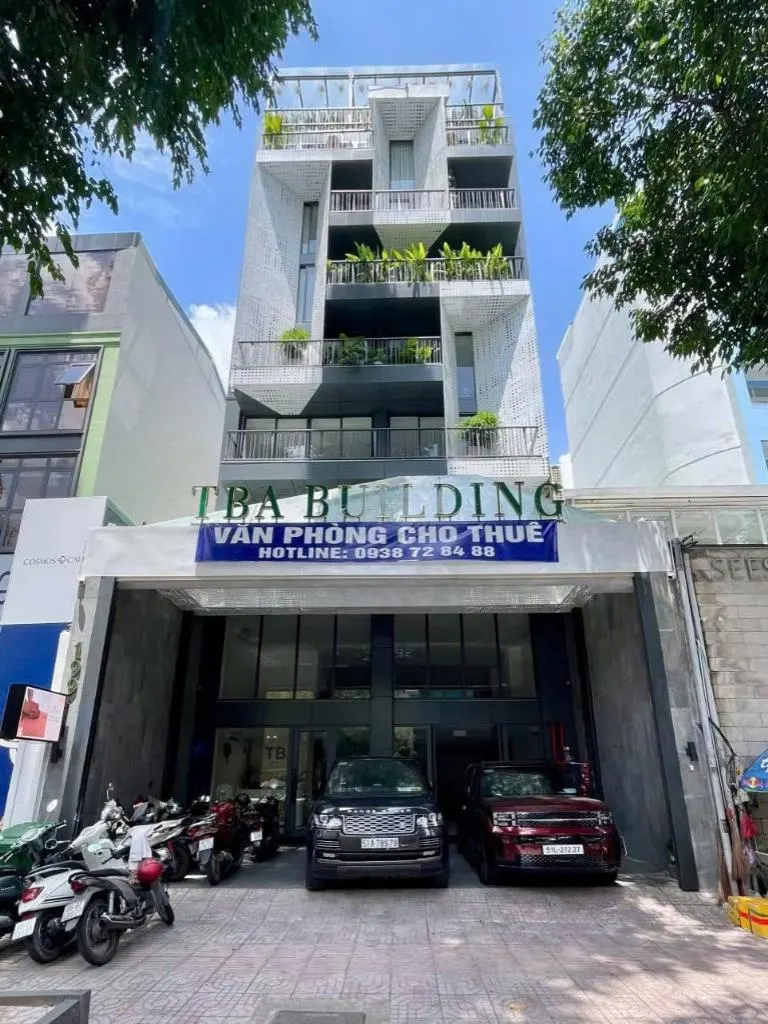
- Tran Dinh Xu Building, District 1: Area of 170.1m2, 10 floors (with basement), rental income of ~300 million VND/month, selling price of 175 billion VND.
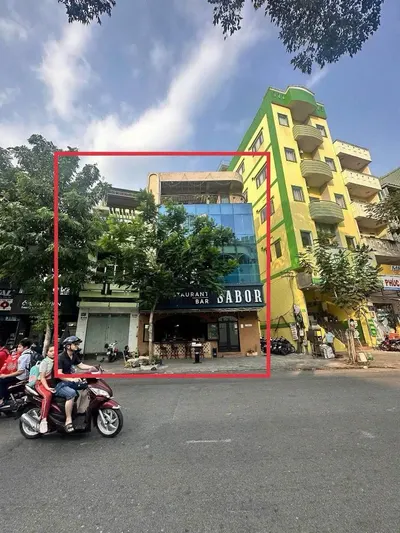
- Nguyen Binh Khiem Corner House, District 1: Area of 140m2, 6 floors (1 basement), rental income of ~350 million VND/month, selling price of 170 billion VND.
Cash Flow & ROI Analysis
Dien Bien Phu Building: With a rental income of 6 billion VND/year, the ROI is approximately 3.55% (6 billion VND / 169 billion VND). This is a stable ROI, suitable for investors who prefer safety and consistent cash flow. However, growth potential may be limited compared to more central areas.
Tran Dinh Xu Building: Rental income of 300 million VND/month is equivalent to 3.6 billion VND/year, with an ROI of approximately 2.06% (3.6 billion VND / 175 billion VND). Although the monthly cash flow is higher, the ROI is lower due to the higher selling price. The prime central location and potential for diverse leasing (office, hotel, serviced apartment) are major advantages.
Nguyen Binh Khiem House: Rental income of 350 million VND/month is equivalent to 4.2 billion VND/year, with an ROI of approximately 2.47% (4.2 billion VND / 170 billion VND). The corner location with 2 frontages and the new construction in 2025 are significant advantages, attracting tenants and increasing exploitation potential. However, it is necessary to carefully consider the occupancy rate and operating costs.
Detailed Comparison & Risks
Location: Tran Dinh Xu and Nguyen Binh Khiem both have more central locations than Dien Bien Phu, with convenient transportation and proximity to commercial and tourist areas. This helps increase occupancy and rental rates.
Structure: The Tran Dinh Xu building has a basement, which helps solve the parking problem, an important factor for office tenants. The Nguyen Binh Khiem house is newly built, reducing maintenance and upgrade costs in the short term.
Legality: All 3 buildings have complete individual legality, facilitating quick transactions. However, it is necessary to carefully check the legality and related documents before making an investment decision.
Risks:
- Dien Bien Phu Building: Risk of competition from newly built office buildings in the area.
- Tran Dinh Xu Building: Risk of rental fluctuations due to competition from other types of businesses (hotels, serviced apartments).
- Nguyen Binh Khiem House: Risk of occupancy and initial operating costs due to new construction.
Forecast & Recommendations
In the next 5 years, the office real estate market in Ho Chi Minh City is expected to continue to grow, especially in central areas. Demand for office space will increase due to the development of businesses and the relocation of multinational corporations. However, supply will also increase, creating fierce competition.
Recommendation: For investors prioritizing stable cash flow, the Dien Bien Phu building is a suitable choice. For investors willing to accept higher risk to seek growth potential, the Tran Dinh Xu building and the Nguyen Binh Khiem house are worth considering. However, it is necessary to conduct thorough due diligence and assess risks before making a final decision.