Problem: Is investing in office buildings in Tan Binh District worthwhile?
The Ho Chi Minh City real estate market is undergoing an adjustment phase. In this context, finding assets capable of generating stable cash flow is more important than ever. This article will provide a detailed analysis of two office buildings currently for sale in the Airport Area, Tan Binh, focusing on earning potential and potential risks.
Specific data on the two buildings
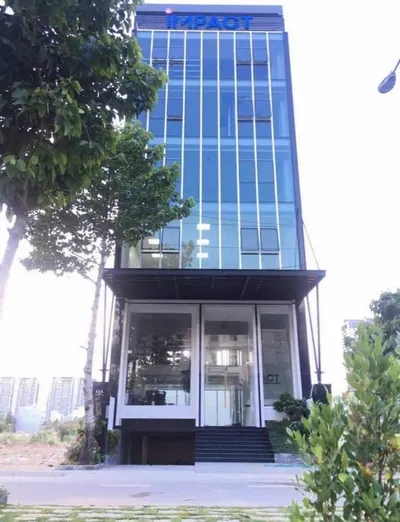
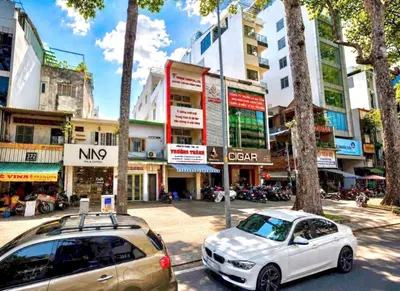
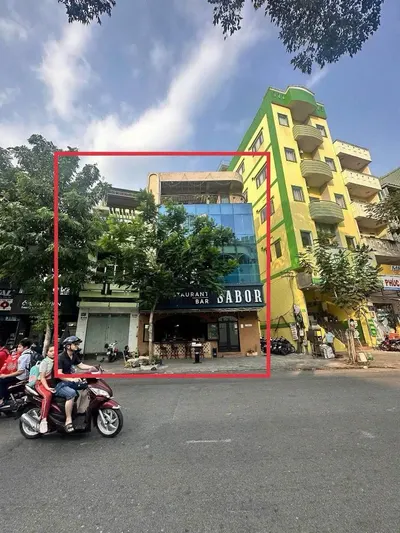
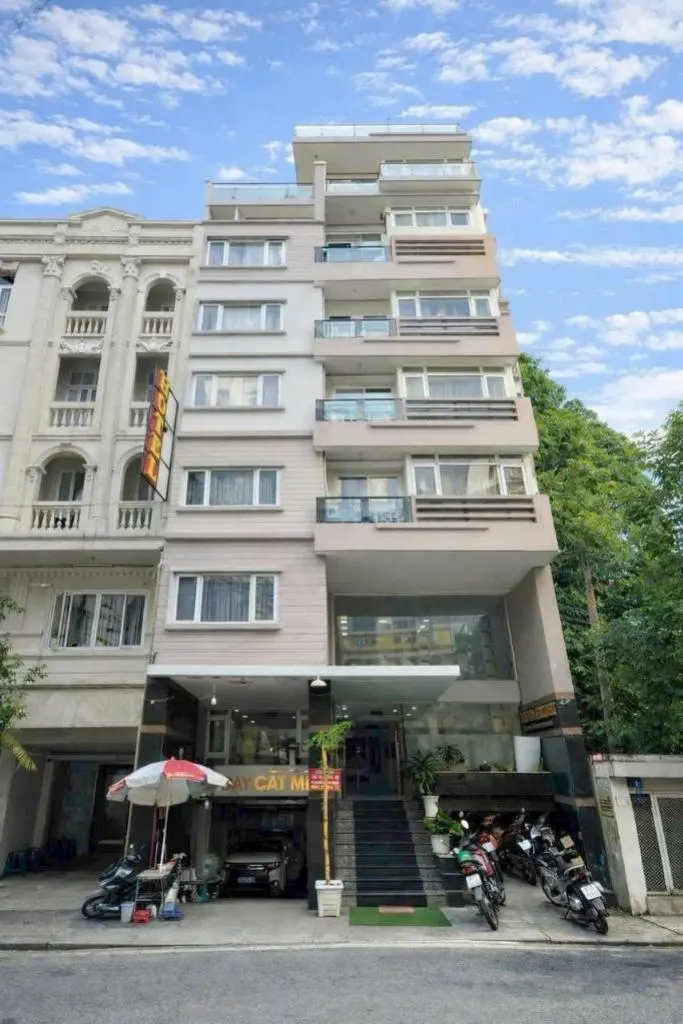
Cuu Long Building: Area of 10m x 20m (193m2 land), structure of basement + 7 floors, currently rented out with a contract of 180 million/month (remaining 2 years). Selling price of 55 billion. Nguyen Van Vinh Building: Area of 205m2 (7.3m x 28m), 6 floors, elevator, selling price of 45 billion (negotiable). Both have a square A4 deed, fully completed.
Cuu Long Building cash flow analysis: With a price of 55 billion and a cash flow of 180 million/month, the current gross yield is 4.32%/year (180 million x 12 months / 55 billion). However, operating costs (taxes, maintenance, management) need to be considered to obtain the actual rate of return. Assuming operating costs of 10 million/month, the actual rate of return is 3.96%/year. After 2 years, when the lease expires, it is necessary to re-evaluate the possibility of renewal and the new rental price.
Nguyen Van Vinh Building cash flow analysis: With a price of 45 billion, this building needs to be renovated to be rentable. Estimated renovation costs are about 5 billion. Total investment capital is 50 billion. Assuming that after renovation, the building can be rented out at a price of 300 million/month, the gross yield is 7.2%/year (300 million x 12 months / 50 billion). Similarly, operating costs need to be deducted to obtain the actual rate of return. Assuming operating costs of 15 million/month, the actual rate of return is 6.6%/year.
Comparison of Cuu Long Building vs. Nguyen Van Vinh Building
Advantages of Cuu Long Building: Existing cash flow, no renovation needed, lower risk. Disadvantages: Lower rate of return, depends on lease renewal after 2 years. Advantages of Nguyen Van Vinh Building: Higher growth potential after renovation, larger area, suitable for many types of businesses (office, hotel, serviced apartment). Disadvantages: Higher risk due to the need for renovation, unstable cash flow, time needed to find tenants.
Comparison criteria:
- Cash flow: Cuu Long Building has stable cash flow immediately.
- ROI: Nguyen Van Vinh Building has higher ROI potential after renovation (estimated 6.6% vs. 3.96%).
- Risk: Cuu Long Building has lower risk due to existing cash flow.
- Liquidity: Both have relatively good liquidity due to the prime location.
- Repositioning potential: Nguyen Van Vinh Building has higher repositioning potential (hotel, serviced apartment).
Forecast & Risks
The Ho Chi Minh City office real estate market may continue to face difficulties in the short term due to large supply and declining demand. However, buildings with good locations, quality and stable cash flow will still be sought after. The main risk of Cuu Long Building is the inability to renew the lease after 2 years. The main risk of Nguyen Van Vinh Building is renovation costs exceeding expectations and the inability to find suitable tenants.
Conclusion & Recommendation
For investors prioritizing stable cash flow and low risk, Cuu Long Building is a suitable choice. However, it is necessary to carefully consider the possibility of lease renewal after 2 years. For investors willing to accept higher risk for higher growth potential, Nguyen Van Vinh Building is worth considering. However, a detailed renovation plan and thorough market research are needed before making an investment decision. With a real rate of return of 3.96%, Cuu Long Building may be a safe choice in the current market context, but does not bring breakthrough profits. Nguyen Van Vinh Building, with a potential ROI of 6.6%, may bring higher profits, but requires more proactivity and acceptance of greater risk.