Investment Analysis: Tran Quang Khai Building, District 1 - Opportunity or Challenge?
In the ever-fluctuating Ho Chi Minh City real estate market, securing stable income-generating assets, especially consistent monthly cash flow, is paramount for experienced investors. This analysis delves into a 'super hot' opportunity in the heart of District 1: a building located directly on Tran Quang Khai street, Tan Dinh Ward. With a committed rental income of up to 250 million VND/month, this figure is undeniably attention-grabbing. However, to make an informed investment decision, we must dissect the data, assess the realistic potential, and identify any underlying risks.
1. Core Data: The Initial Financial Picture
The preliminary information about this building presents impressive figures, setting the stage for a worthwhile consideration:
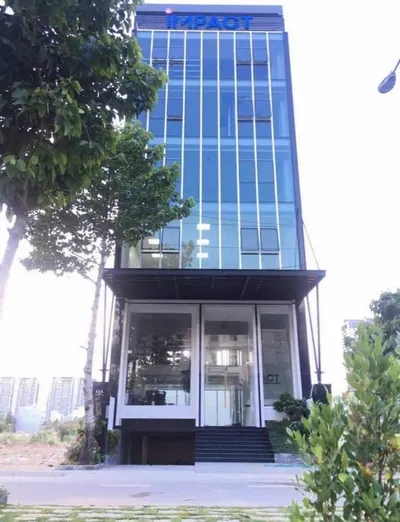
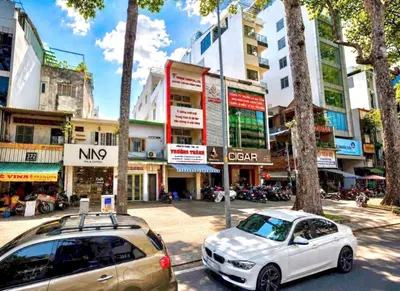
- Location: Prime frontage on Tran Quang Khai Street, Tan Dinh Ward, District 1. This is a central, bustling area known for its concentration of office buildings and high-end service businesses (Spas, International Schools).
- Area: 8m x 18m, recognized area of 121m². This is a fairly regular and substantial size for a commercial building in a central district.
- Structure: Comprises 1 basement and 7 floors, fully equipped with a Fire Prevention and Fighting (FPF) system. This structure allows for optimized space utilization for various purposes, from rental offices to service businesses.
- Current Cash Flow: The rental contract generates 250 million VND/month. This is the most critical highlight, demonstrating the building's effective commercial exploitation potential and its prime location.
- Property Type: Commercial Building.
- Legal Status: Not detailed in the initial information, this is a crucial element to clarify.
With the selling price yet to be disclosed (contact required), an initial ROI assessment will be based on income generation. The 250 million VND/month equates to 3 billion VND/year. Assuming a selling price of X billion VND, the Gross Yield would be (3 / X) * 100%. To achieve an attractive yield, the selling price must fall within a specific range, which will be further analyzed later.
2. Yield Analysis and Valuation: Market Comparison
To determine if this building is truly a 'steal,' we need to contextualize these figures within the commercial real estate market of District 1. Factors influencing valuation include:
- Land Value: Frontage on Tran Quang Khai, District 1, is among the highest land values in Ho Chi Minh City. Land prices here can range from hundreds of millions to over a billion VND per square meter. For 121m² of land, the land value alone constitutes a significant portion of the total asset value.
- Construction Cost: A 7-story building with a solid structure, complete FPF system, and basic finishes for commercial rental purposes incurs substantial construction costs. Estimated construction costs could range from 15-20 million VND/m² of built floor area (approx. 7-8 floors x 121m² x 15-20 million VND/m²), totaling around 12-19 billion VND.
- Rental Cash Flow (Net Yield): The 250 million VND/month is Gross Rent. To calculate Net Rent, we must subtract operating expenses, management fees, maintenance, property taxes (if any), and periodic repair costs. Assuming these costs account for approximately 10-15% of gross rent, the net cash flow could range from 212.5 to 225 million VND/month, or about 2.55 - 2.7 billion VND/year.
- Net Yield: This is the metric most professional investors focus on. If net cash flow is 2.6 billion VND/year, and the selling price is 50 billion VND, the Net Yield is 5.2%. If the selling price is 70 billion VND, the Net Yield is 3.7%. Compared to other investment channels like savings accounts (around 5-6%/year for long terms) or real estate projects offering Net Yields of 7-10% in other areas, a 3.7-5.2% yield requires careful consideration.
- Comparison with Similar Properties: Office buildings, mini-hotels, or prime front-facing shophouses in District 1 with similar areas and high rental income often command very high prices per square meter of land or built area. Prices can reach 300-500 million VND/m² of land, or more. Based on this, the value could be up to 36-60 billion VND for 121m² of land, excluding construction value.
With a monthly cash flow of 250 million VND, a reasonable selling price to achieve a Net Yield of around 6-8% (an acceptable rate for prime, liquid real estate) would be approximately 32 - 43 billion VND. However, given the prime Tran Quang Khai street location in District 1, the selling price is likely to be significantly higher. This raises questions about the true attractiveness of this opportunity if the selling price exceeds expectations.
3. Growth Potential and Risks
Growth Potential:
- Property Value Appreciation: Central District 1 locations consistently see value appreciation due to land scarcity and continuous development. Branded streets like Tran Quang Khai will maintain their value.
- Rental Rate Increase: As the market recovers and demand for office and service spaces rises, owners can negotiate higher rental rates than current contracts, especially upon expiration.
- Upgrade and Renovation Potential: The building can be renovated and upgraded to attract larger brands or converted (e.g., into a boutique hotel, small Grade A office space) to increase its exploitation value.
Risks to Consider:
- Dependence on Current Lease Agreement: The 250 million VND/month is a committed figure. Investors must verify the tenant's credibility, contract terms, remaining duration, and termination clauses. If the tenant faces difficulties or does not renew, finding a new tenant at a comparable rate could be challenging, especially in a volatile market.
- Operating and Maintenance Costs: A 7-story building incurs operating and maintenance costs for technical systems, elevators, FPF, cleaning, and security. These costs must be factored in for an accurate financial picture.
- Building Age and Major Repair Costs: If the building is aged, significant repair costs for structural or technical system overhauls may arise, impacting net cash flow.
- Liquidity: High-value commercial properties in prime locations generally have lower liquidity than residential properties. Selling a high-value building can be time-consuming and require significant effort to find a suitable buyer.
- Market Volatility: Macroeconomic factors, legal policies, and health crises can affect the demand and rental rates for commercial real estate.
4. Conclusion and Investment Recommendation
The building on Tran Quang Khai street, District 1, with a committed rental income of 250 million VND/month, is clearly a valuable asset with good exploitation potential. However, like any investment opportunity, it comes with questions and risks that need to be addressed.
For experienced investors, the next steps should include:
- Requesting transparent selling price: This is the decisive factor. If the price is reasonable and reflects market value and cash flow potential, this could be a good deal.
- Thorough legal due diligence: Title deeds (Sổ hồng/Sổ đỏ), construction permits, land use regulations, and related property rights.
- Detailed lease agreement appraisal: Tenant credibility, terms, duration, renewal prospects, and any unfavorable clauses.
- Assessment of actual operating costs: Request owners to provide invoices and documents for management, maintenance, and repair costs in recent years.
- Comparison with other investment options: Weigh this opportunity against other real estate investments or financial instruments to ensure expected returns.
If all these factors are favorable and the selling price is reasonable, this building could be an asset providing stable cash flow and long-term value appreciation for an investment portfolio. Conversely, if the price is too high or legal/lease risks remain unresolved, investors should proceed with caution and seek opportunities more aligned with their risk appetite.