Hotel in District 1: Investment Opportunity or Hidden Risks?
The real estate market in District 1 always attracts the attention of investors, especially assets with high earning potential like hotels. Recently, a street-front hotel on Mac Thi Buoi Street, Ben Nghe Ward, District 1, has been offered for sale at a price of 185 billion VND. Is this a worthwhile investment opportunity, or does it contain risks that need careful consideration? This article will analyze in detail the relevant factors, from cash flow and ROI to market factors and potential risks, to provide useful information for investors.
Hotel Details
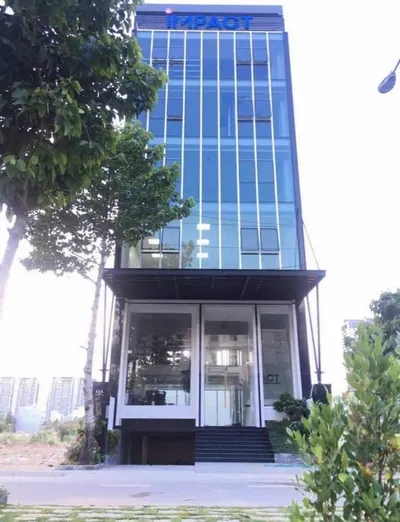
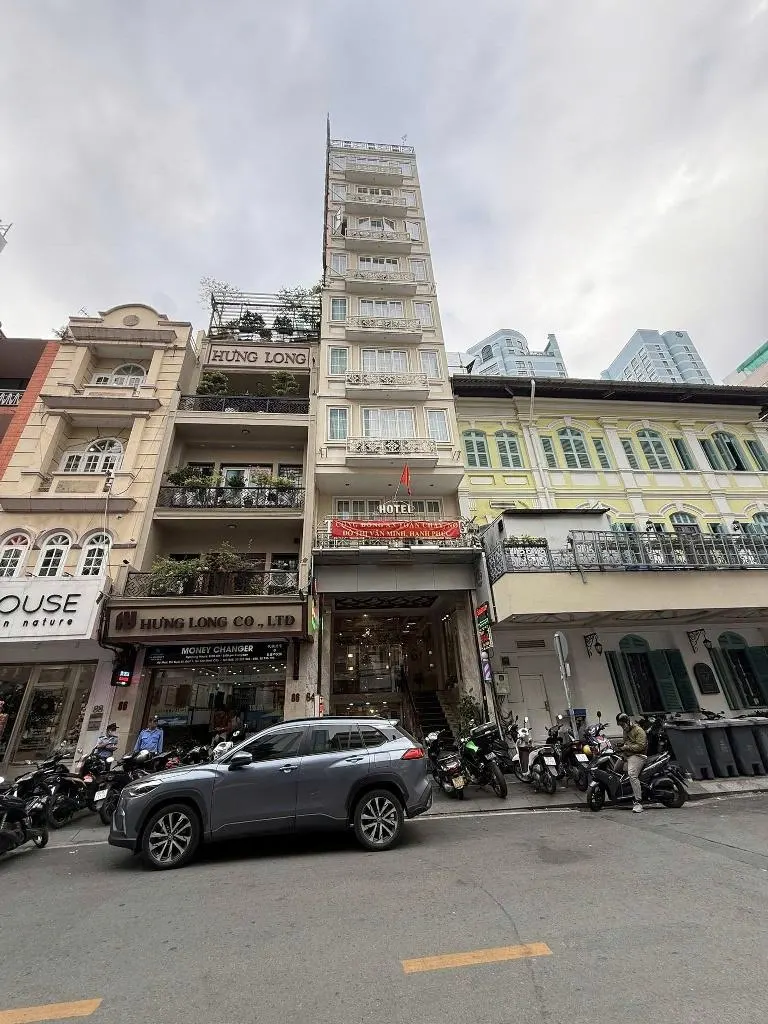
The hotel is located at 84 Mac Thi Buoi Street, Ben Nghe Ward, District 1, a prime central location, close to high-end commercial and tourist areas. The land area is 105.1m2 (5.10 x 18m), with an architecture of 1 basement + 10 floors, totaling 28 hotel rooms. The current asking price is 185 billion VND.
Cash Flow & ROI Analysis
To assess investment potential, we need to carefully consider the cash flow the hotel can generate. Assuming an average occupancy rate of 70% with an average room rate of 1.5 million VND/night. With 28 rooms, the estimated monthly room revenue is 294 million VND (28 rooms x 1.5 million VND/night x 30 days x 70%). After deducting operating costs (labor, electricity, water, maintenance, marketing, taxes...) estimated at 100 million VND/month, the net monthly profit is approximately 194 million VND. Thus, the estimated annual net profit is 2.328 billion VND. The annual ROI (Return on Investment) will be 2.328 billion / 185 billion = 1.26%.
Comparison with Other Investment Options
Compared to other investment channels in the current context, an ROI of 1.26% may not be the highest. For example, investing in 5-year government bonds currently has an interest rate of about 6-7%/year. However, it is important to note that investing in a hotel has the potential for long-term real estate value appreciation, especially in a central location in District 1. In addition, the hotel can benefit from the development of the tourism industry and surrounding infrastructure projects. Another option is to invest in serviced apartments for rent. With a similar price, a serviced apartment can generate more stable cash flow, but the potential for value appreciation may be lower than that of a hotel.
Forecast & Risks
Vietnam's tourism market is on a strong recovery path after the COVID-19 pandemic. However, there are still risks to be aware of. Fluctuations in the global economy, political factors, and new epidemics can affect the tourism industry and reduce the hotel's occupancy rate. In addition, competition from other hotels in the area is also a factor to consider. If the occupancy rate falls below 50%, net profit will decrease significantly, even potentially leading to losses. Periodic upgrades and repairs to the hotel also require significant costs.
Conclusion & Recommendation
The street-front hotel on Mac Thi Buoi Street, District 1, is a potential investment opportunity, but it is not without risk. The current ROI may not be high, but the potential for long-term real estate value and cash flow growth is significant. Investors should carefully consider market factors, risks, and the ability to manage hotel operations before making a decision. If you have sufficient resources and experience, this could be a worthwhile investment in your real estate portfolio.