Investment Analysis: Corner Hotel, 2 Frontages, Tan Quy Ward, District 7
In the dynamic Ho Chi Minh City real estate market, experienced investors constantly seek investment channels offering stable cash flow and capital appreciation potential. Hotels, by nature, are income-generating assets and often an attractive option. However, not all hotels guarantee profitability. The question is, is this corner hotel with two frontages at 85 Tan Quy Street, Tan Quy Ward, District 7, priced at 42 billion VND with a lease agreement of 180 million VND/month, a worthwhile consideration for your investment portfolio? Let's delve into the numbers for a clear perspective.
1. Specific Asset Data
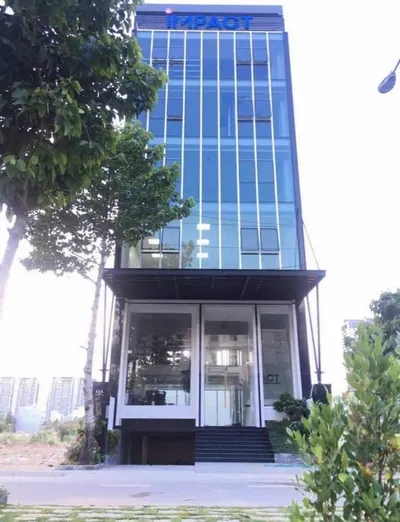
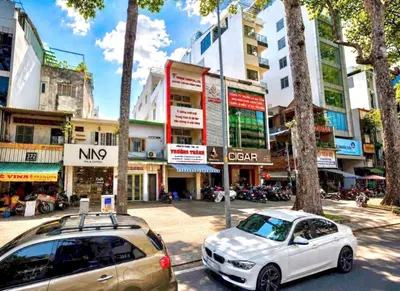
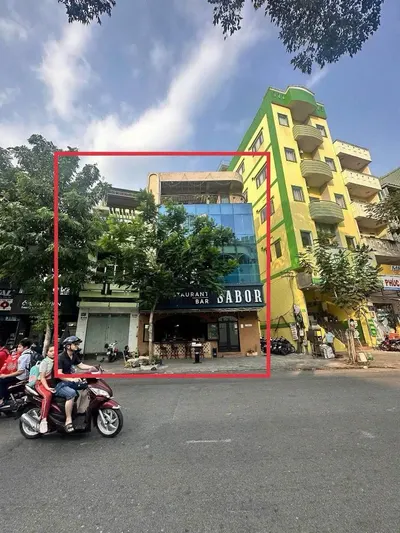
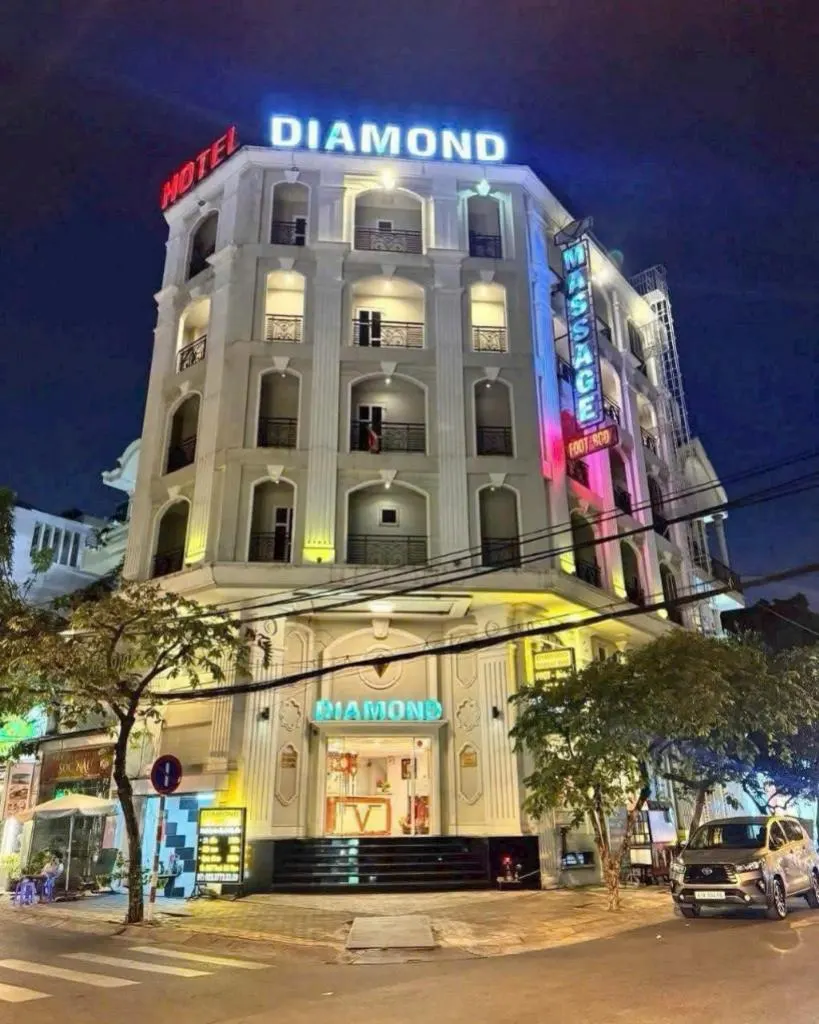
The property for sale is a corner hotel benefiting from two street frontages at 85 Tan Quy Street. This location may offer advantages in terms of accessibility and brand recognition. Detailed specifications include:
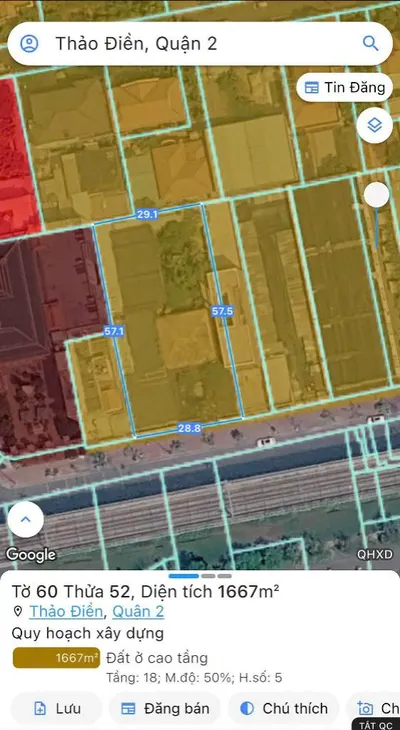
- Land Area: 8.5m x 15m, with a land plot area of 111m². This is a relatively regular shape, conducive to efficient space design and utilization.
- Total Usable Area (DTSD): 680m². This scale allows for a substantial building with multiple rooms and amenities.
- Structure: Comprises 1 basement level and 6 above-ground floors. This structure optimizes space, with the basement potentially used for storage, technical areas, or parking, while the upper floors serve the hotel operations.
- Number of Rooms: 27 hotel rooms, all fully furnished. This means the hotel is ready for immediate operation without further furnishing investments.
- Current Lease Agreement: 180 million VND/month. This is a key factor for assessing the cash flow the asset can generate.
- Selling Price: 42 billion VND. This price needs to be evaluated against the actual business performance and the area's development potential.
From these specifications, it's evident that this is a considerable hotel, well-invested in its structure and equipment. However, investment efficiency lies not just in scale but also in the return on invested capital.
2. Cash Flow & Investment Yield Analysis
For a cash-flow-focused investor, the most crucial factor is the ability to generate stable passive income. With a selling price of 42 billion VND and a lease of 180 million VND/month, we can perform a preliminary yield calculation:
- Total Annual Rental Income: 180,000,000 VND/month * 12 months = 2,160,000,000 VND/year.
- Gross Annual Yield: (2,160,000,000 VND / 42,000,000,000 VND) * 100% ≈ 5.14%.
A gross yield of 5.14% requires careful consideration. In a market where bank savings interest rates can range around 4-5% (depending on the period and term), this 5.14% does not offer a significant premium, especially when investing in commercial real estate also entails operating costs, maintenance, taxes, and market risks.
However, it's important to note that this yield is based on the current lease agreement. If the investor buys to operate independently, the profit potential could be higher if managed more effectively or if the average room rate exceeds the current rental income. Assuming operating and management costs account for about 30-40% of revenue, net profit could fluctuate.
For a deeper evaluation, we need to compare it with other investment options and similar properties in the area.
3. Comparison with Other Investment Options
Comparison with Financial Investments: Current bank savings interest rates can reach 4-5% for long-term deposits. Stocks offer higher potential returns but come with greater risks. Gold is often seen as a safe haven but does not generate cash flow. With a gross yield of 5.14%, this hotel appears slightly better than savings but not significantly superior considering the risks and illiquidity of commercial real estate.
Comparison with Other Rental Properties: Apartment rentals in good locations in HCMC can yield gross returns of 4-6%. Townhouses or commercial spaces for rent on busy streets can achieve higher yields, from 6-10%, depending on the location and exploitation potential.
Comparison with Other Hotels: The hotel market is highly segmented. Hotels in prime tourist areas, professionally managed, can achieve very high yields. However, hotels in secondary locations or those not yet optimized may have lower yields. A 180 million VND/month rate for a 6-story, 27-room building in District 7 might not be the maximum achievable compared to premium standards.
Location Assessment: District 7 is an area with stable economic and population growth, featuring numerous new urban areas, offices, and international schools. This creates demand for accommodation, both for business and leisure travelers. However, the specific area of Tan Quy Ward needs careful examination regarding competition from other hotels and lodging facilities.
4. Risk Forecast & Growth Potential
Risks:
- Lease Agreement Risks: The 180 million VND/month lease is a fixed amount for a specific period. If the contract ends and re-leasing does not achieve a similar rate, or if market rental rates decrease, cash flow will be affected.
- Legal and Planning Risks: Thoroughly check the property's legal status, especially hotel operating licenses, fire safety, and any planning regulations that might impact future operations.
- Operational Risks (if self-operated): If the investor decides to operate independently instead of continuing the lease, they will face risks related to staff management, service quality, competition, and fluctuating customer demand. Operating costs could be higher than expected if not managed tightly.
- Market Risks: Macroeconomic factors, social events, or epidemic outbreaks can negatively impact the tourism and hotel industry, leading to revenue decline.
- Competition: District 7 has many new real estate projects, including hotels and serviced apartments, creating increasing competitive pressure.
Growth Potential:
- Asset Value Appreciation Potential: With the development of District 7, real estate values in the area tend to appreciate in the long term. If investors buy at a reasonable price and hold for many years, capital appreciation is possible.
- Cash Flow Growth Potential (if self-operated): With an effective business strategy, optimizing room rates, enhancing service quality, and attracting target customers can lead to higher revenue and profits than the current 180 million VND/month. For instance, a 10-15% increase in average room rates, coupled with good occupancy rates, would significantly improve cash flow.
- Potential for Change of Use: Depending on zoning regulations, this building might have the potential for conversion into other business models such as office rentals, luxury serviced apartments, or training centers, based on market demand and legal requirements.
5. Conclusion & Recommendation
With a selling price of 42 billion VND and a monthly lease of 180 million VND, the gross yield for this corner hotel is approximately 5.14%. This figure is not overly attractive if considering net cash flow alone, especially when compared to less risky investments or rental properties with higher yields. However, the asset has notable advantages:
- Corner location with 2 frontages can offer visibility and accessibility benefits.
- Solid structure (basement + 6 floors) and a large number of rooms (27 fully furnished) indicate significant exploitation potential.
- District 7 is an area with stable development potential.
Recommendation:
For investors prioritizing stable cash flow and low risk, this deal requires careful consideration. A 5.14% yield may not be sufficiently attractive to offset the risks and illiquidity of commercial real estate. If you are an experienced investor, conduct a more detailed due diligence on the current lease agreement (remaining term, clauses, tenant's credibility), actual operating costs (if accessible), and perform a more thorough comparison with similar assets in the market.
If you have a long-term vision and are willing to self-operate, or can negotiate a better purchase price, this property could be an opportunity. However, self-operation requires management experience in the hotel industry and deep market understanding. The advice is to thoroughly investigate the actual business performance of this hotel before making a final decision.