The Question: Is Investing 85 Billion VND in a Bui Vien Hotel Worth It?
Bui Vien, the bustling backpacker district of Ho Chi Minh City, consistently attracts a large number of tourists. Is a 5-story, 29-room hotel with a monthly rental income of 150 million VND a worthwhile investment at a price of 85 billion VND? This article will provide a detailed analysis of the factors influencing ROI, cash flow, and risks of this property, from the perspective of an experienced investor.
Property Details
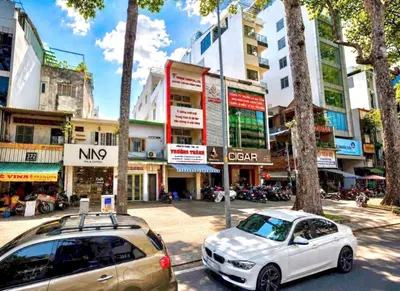
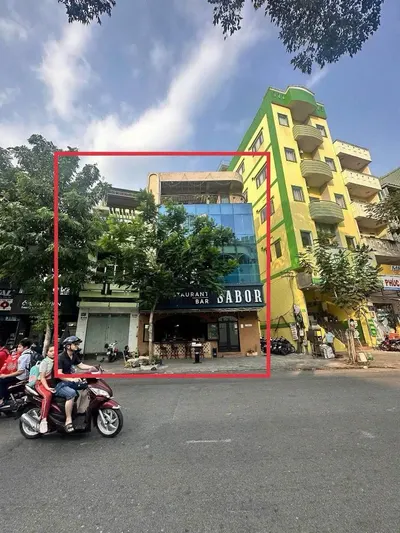
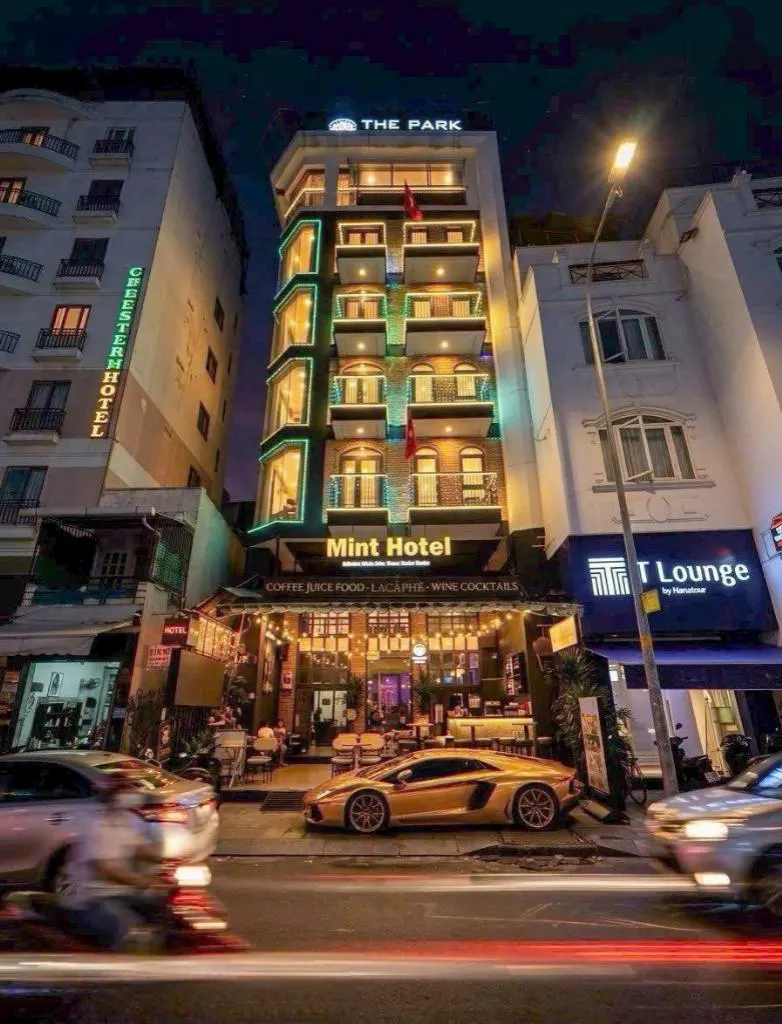
The hotel is located at the corner of two frontages on Do Quang Dau Street, Pham Ngu Lao Ward, District 1. It has an area of 7.4m x 18m, a 5-story structure with 29 luxurious rooms. The current rental contract generates an income of 150 million VND per month. The asking price is 85 billion VND, negotiable.
Current Cash Flow Analysis
With a rental income of 150 million VND per month, the annual revenue is 1.8 billion VND. To assess efficiency, it is necessary to deduct operating expenses such as taxes, maintenance, management, and depreciation costs. Estimated annual operating costs are around 360 million VND (20% of revenue). Therefore, the net annual profit is approximately 1.44 billion VND. The current capitalization rate (cap rate) is 1.44 billion / 85 billion = 1.69%. This is a relatively low cap rate compared to the current real estate market.
Comparison with Other Investment Channels
Compared to other investment channels such as savings deposits, government bonds, or stock investments, a 1.69% return is not particularly outstanding. However, it is important to note that real estate has the potential for appreciation in the future. Property values in the Bui Vien area have increased significantly in recent years due to the development of tourism. To assess the potential for appreciation, it is necessary to consider factors such as urban planning, infrastructure development, and tourism trends.
Risk Analysis
Investing in a Bui Vien hotel also carries some risks. First, the risk of competition. The Bui Vien area has many hotels and guesthouses, so competition to attract customers is high. Second, the risk of changes in tourism policy. If tourism policy changes, it could affect the number of tourists and the hotel's revenue. Third, the risk of economic recession. If the economy declines, the number of tourists may decrease, leading to a decrease in hotel revenue. Finally, the risk of finding tenants. If a tenant cannot be found, the hotel will be vacant, wasting costs.
Forecast and Recommendation
In the short term, the return from renting out the hotel may not be high. However, if the Bui Vien area continues to develop and the number of tourists increases, the property value could increase significantly in the future. If you are a long-term investor, this could be a good opportunity. However, it is important to carefully consider the risks and be prepared for the worst-case scenarios. It is recommended to thoroughly verify the legality of the property, assess the condition of the facilities, and consult with real estate experts before making an investment decision.